

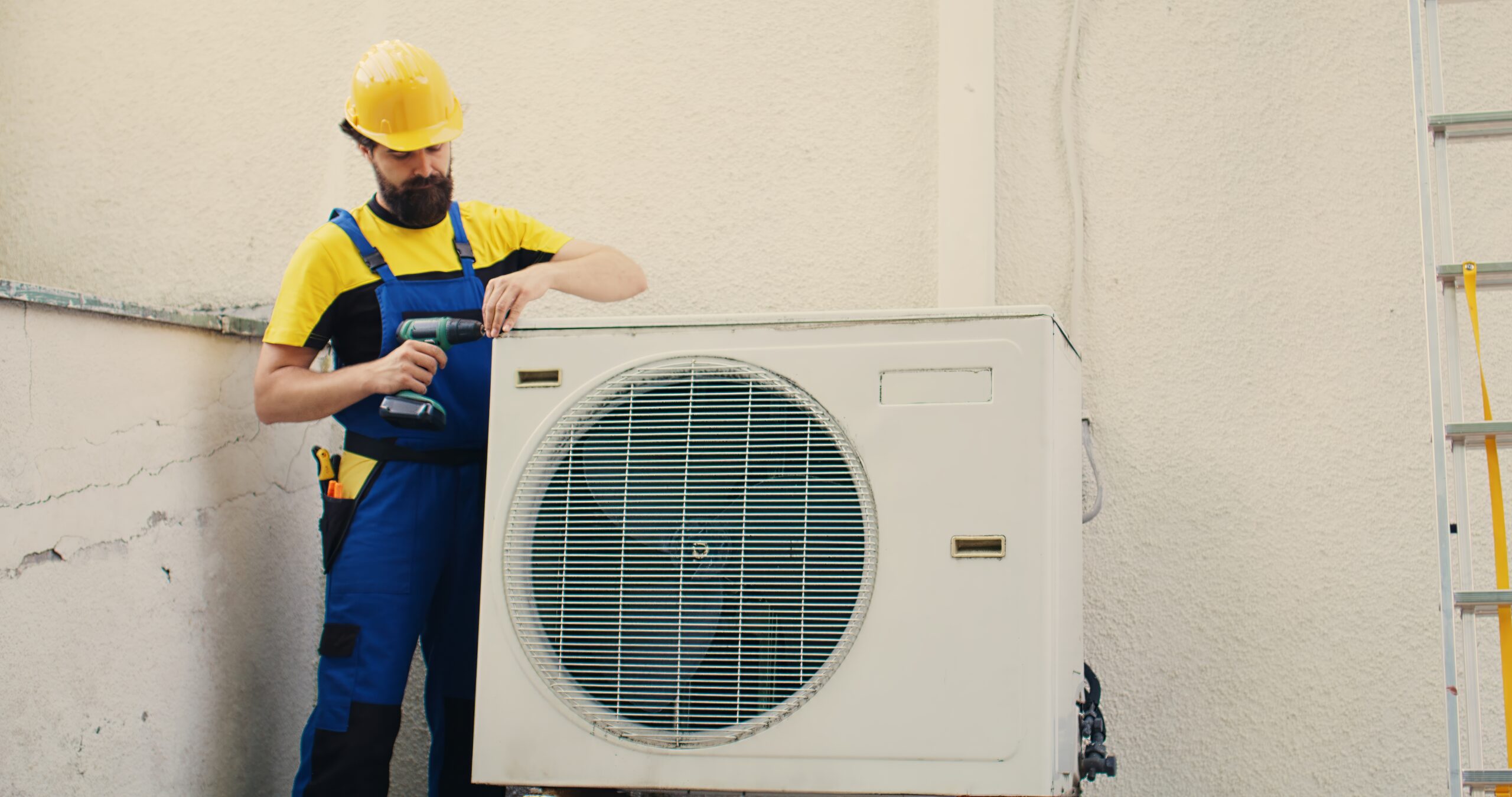
Storm season can be unpredictable, especially in areas that experience heavy rain, strong winds, lightning, or hurricanes. While many homeowners focus on securing windows, roofs, and outdoor furniture, one critical system often gets overlooked: the air conditioning unit. Your AC particularly the outdoor condenser is exposed to the elements and can suffer significant damage during severe weather if it isn’t properly protected.
Protecting your AC unit during a storm isn’t just about avoiding inconvenience; it’s about preventing costly repairs, extending the life of your system, and ensuring your home stays comfortable once the storm passes. Below is a complete, homeowner-friendly guide from KAC Express on how to safeguard your air conditioning system before, during, and after a storm.
Why Storms Are Dangerous for Your AC Unit
Air conditioning systems are built to withstand normal outdoor conditions, but storms introduce extreme risks that go far beyond everyday weather. High winds can send debris flying into the condenser, heavy rainfall can lead to flooding around the unit, and lightning can cause electrical surges that damage internal components. Even after a storm ends, moisture, dirt, and hidden damage can reduce efficiency or cause breakdowns.
Understanding these risks is the first step in protecting your investment and avoiding unexpected Air Conditioner repairs during the hottest months of the year.
Turn Off Your AC Before the Storm Hits
One of the simplest and most effective ways to protect your AC during a storm is to shut it off completely. When severe weather is approaching, turn off the system at the thermostat and, if possible, at the circuit breaker as well.
Why This Matters
Lightning strikes and power fluctuations during storms can cause electrical surges. These surges may damage your AC’s compressor, circuit boards, and wiring repairs that can be both expensive and time-consuming. Shutting down the system reduces the risk of short circuits and protects sensitive components.
For major storms or hurricanes, cutting power to the entire HVAC system adds an extra layer of safety and peace of mind.
Cover the Outdoor AC Unit Properly
The outdoor condenser unit is the most vulnerable part of your air conditioning system during a storm. Wind-driven debris, falling branches, and hail can dent fins, damage coils, or even destroy the fan.
How to Cover It Safely
If you have time before the storm:
Use a breathable AC cover designed specifically for condenser units.
If a specialized cover isn’t available, a tarp can work as a temporary solution.
Secure the cover tightly so it doesn’t blow off, but allow airflow to prevent moisture buildup.
Important: Always remove the cover once the storm has passed. Running your AC with a cover still on can restrict airflow, cause overheating, and lead to serious damage.
Clear and Secure the Area Around the Unit
Storm winds can turn everyday items into dangerous projectiles. Before bad weather arrives, take a few minutes to inspect the area around your outdoor AC unit.
What to Do
Remove loose objects like patio furniture, toys, tools, and plant pots.
Secure items that cannot be moved.
Trim nearby trees or overhanging branches well before storm season begins.
Falling limbs and flying debris are among the most common causes of storm-related AC damage. Keeping the surrounding area clear significantly reduces this risk.
Protect Against Flooding and Standing Water
Heavy rainfall and flooding pose serious threats to AC systems. Standing water can damage electrical parts, promote corrosion, and create long-term performance issues.
Flood Prevention Tips
Make sure the unit sits on a raised concrete or composite pad.
Check that the ground around the unit slopes away from it to prevent water pooling.
Keep nearby drains clear so water can flow away from the condenser.
If flooding is common in your area, talk to an HVAC professional about elevating the unit or improving drainage.
Install a Surge Protector for Extra Protection
Electrical surges are one of the most damaging effects of storms. Installing a surge protector can save your AC from expensive electrical repairs.
Your Options
Dedicated HVAC surge protectors: Installed directly on the AC unit.
Whole-house surge protectors: Protect your AC along with other appliances and electronics.
Surge protection is a smart investment, especially during storm season. A licensed electrician or HVAC technician can help you choose the best option for your home.
Schedule Preventive AC Maintenance Before Storm Season
Routine maintenance is your first line of defense against storm-related damage. A professional inspection ensures your system is in peak condition before severe weather arrives.
During a maintenance visit, a technician can:
Tighten loose electrical connections
Inspect coils and fins
Check drainage and airflow
Identify vulnerabilities that storms may worsen
Regular maintenance not only helps your system survive storms but also improves efficiency and reliability year-round. If you want to learn more about why inspections matter, check out this guide on why you should inspect your HVAC system regularly.
What to Do After the Storm Passes
Once the skies clear, it’s tempting to turn your AC back on right away especially in hot, humid weather. However, taking a few precautionary steps can prevent further damage.
Post-Storm Checklist
Visually inspect the outdoor unit for dents, debris, or loose wires.
Clear away leaves, branches, and dirt from the condenser.
Check for unusual smells or sounds when restarting the system.
If you notice anything out of the ordinary, don’t run the system. Call a professional to inspect it before minor issues turn into major repairs.
Change Your Air Filter After Severe Weather
Storms often stir up dust, pollen, and debris that can enter your home and HVAC system. After a major weather event, replacing your air filter is a simple but effective way to protect your AC and improve indoor air quality.
A clean filter:
Improves airflow
Reduces strain on the system
Helps maintain healthy indoor air
This small step can make a noticeable difference in performance and comfort.
Understand How Weather Patterns Affect Your AC
Storms don’t happen in isolation they’re often part of larger climate patterns that impact temperatures, humidity, and energy use. Weather phenomena like El Niño can increase the frequency and intensity of storms while also putting more demand on your cooling system.
For deeper insight into how weather trends influence HVAC performance, read about how El Niño affects weather and temperature and how climate changes can affect local weather patterns.
Understanding these trends can help you prepare your AC system more effectively year after year.
Why Professional Support Matters During Storm Season
Even with the best preparation, storms can still cause hidden damage that only trained eyes can detect. Professional HVAC technicians have the tools and expertise to assess your system safely and accurately after severe weather.
From post-storm inspections to surge protection installation and ongoing maintenance, having a trusted HVAC partner makes all the difference.
If you’re unsure how to reduce future repair risks, this article on how to prevent air conditioning repairs during the summer offers additional practical tips.
0 Comments