

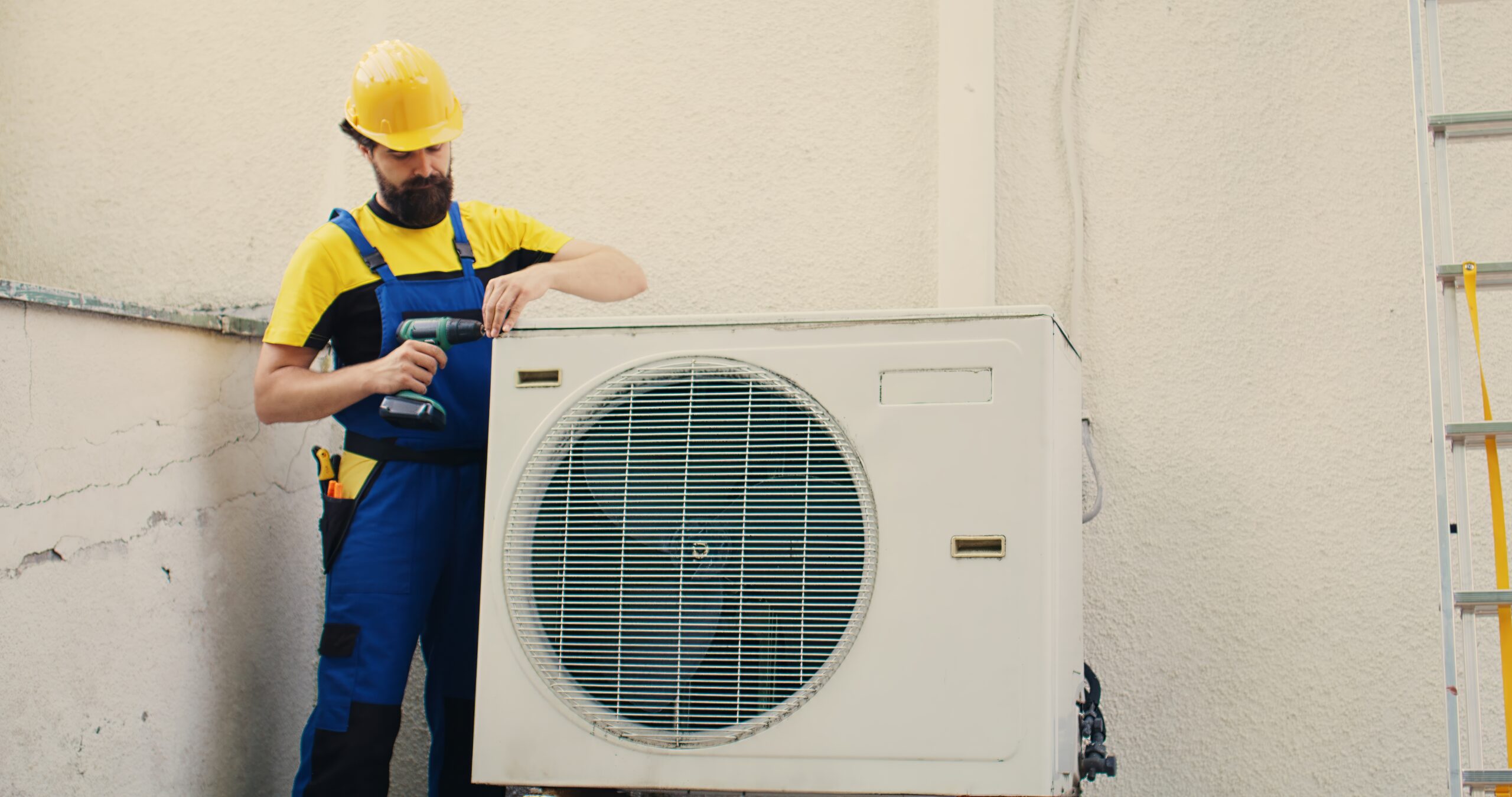
A steady, low hum from your air conditioner is something most homeowners barely notice until it changes. When that familiar sound turns into a rattling, clanking, or vibrating noise, it can instantly raise concern. Is it serious? Can it wait? Or is your AC on the verge of breaking down in the middle of a Texas heatwave?
A rattling air conditioner is one of the most common warning signs homeowners experience, especially during peak cooling season. While some causes are relatively minor, others can signal deeper mechanical issues that should never be ignored. Understanding what that noise means can help you act quickly, avoid costly repairs, and keep your home comfortable.
In this guide, we’ll break down the most common reasons your air conditioner may be rattling, explain when it’s safe to troubleshoot on your own, and help you know when it’s time to call the professionals at KAC Express.
Why AC Noises Should Never Be Ignored?
Your air conditioner is made up of multiple moving parts that must work in harmony. When something becomes loose, worn, or damaged, noise is often the first symptom. Rattling sounds typically indicate that something is vibrating where it shouldn’t or that a component is beginning to fail.
Ignoring these noises can lead to:
Reduced cooling performance
Higher energy bills
Accelerated wear on major components
Unexpected system breakdowns
In Texas, where AC systems run hard for long periods, even small issues can escalate quickly if left unresolved.
Common Causes of Rattling Sounds in Air Conditioners
1. Debris Inside the Outdoor Unit
One of the most frequent causes of rattling sounds comes from the outdoor condenser unit. Leaves, twigs, dirt, and even small rocks can easily find their way inside especially after storms or high winds.
When debris interferes with the fan blades or internal components, it creates a noticeable rattling or clicking noise as the unit runs.
What you can do:
Turn the system off completely
Visually inspect the unit from the outside
Remove loose debris around the base
Never reach into the unit unless the power is shut off. If debris is lodged inside the cabinet, a professional inspection is the safest option.
Storm-related debris issues are common in Texas, which is why protecting your system year-round is so important. Regular upkeep and seasonal preparation can help prevent these situations altogether.
2. Loose Screws, Panels, or Fasteners
Over time, constant vibration from normal operation can loosen screws, bolts, and panels inside your AC system. When these components shake during operation, they create a rattling or buzzing noise that gets louder as the system runs.
This issue can occur in:
The outdoor condenser cabinet
Indoor air handler panels
Fan housings and mounting brackets
While tightening a loose screw may sound simple, incorrectly securing components can cause misalignment or additional damage.
Routine inspections play a big role in preventing this type of problem. In fact, regular professional tune-ups are one of the most effective ways to catch loose parts early before they turn into larger repairs. This is one reason regular AC maintenance is essential for Spring, TX homes and surrounding areas.
3. Worn or Damaged Fan Blades
Your air conditioner’s fan works hard circulating air over the condenser coil and helping release heat from your home. Over time, fan blades can:
Become loose
Bend or warp
Develop cracks
When this happens, the fan may wobble as it spins, producing a rhythmic rattling or knocking sound. If left unchecked, a damaged fan blade can break entirely and damage surrounding components.
Fan issues are especially common in older systems or units that have experienced heavy use during long Texas summers.
4. Motor Mounting Problems
The motor is the heart of your air conditioner. If the motor mounts become loose or deteriorated, the motor can shift slightly during operation. This movement creates a noticeable rattling or vibrating noise, particularly when the system starts or stops.
Motor issues should never be treated as DIY fixes. Improper handling can result in electrical hazards or permanent system damage.
If the rattling sound seems to come from deep within the unit and worsens over time, professional diagnosis is critical.
5. Compressor-Related Issues
The compressor is one of the most expensive and vital components of your AC system. While compressors typically produce a low hum, internal wear or mounting problems can cause rattling, grinding, or knocking sounds.
Common compressor-related causes include:
Loose internal components
Mounting bolt issues
Age-related wear
Because compressor repairs can be costly, early detection is key. Ignoring compressor noises can shorten the life of your entire system.
Understanding how your AC components function and how Texas heat affects them can help homeowners make better decisions about repairs and upgrades. Texas weather plays a significant role in HVAC wear and tear.
6. Refrigerant Line or Coil Issues
While refrigerant itself doesn’t rattle, loose refrigerant lines or damaged coils can vibrate against surrounding components, creating noise. In some cases, homeowners may also notice bubbling or hissing sounds alongside rattling.
Refrigerant handling requires specialized training and licensing. Any suspected refrigerant issue should always be addressed by a certified HVAC technician.
7. Aging or Failing Components
As air conditioners age, materials naturally wear down. Rubber mounts harden, metal fatigues, and internal components loosen. Older systems are more prone to rattling noises simply because of years of continuous use.
If your AC is nearing the end of its expected lifespan, frequent rattling may be a sign that repairs are becoming less cost-effective than replacement.
Is It Safe to Run an AC That’s Rattling?
Running a rattling air conditioner is rarely recommended. While the system may still cool temporarily, ongoing vibration can:
Damage nearby components
Increase energy consumption
Lead to sudden system failure
What starts as a small noise can quickly escalate into a major repair often during the hottest days of the year.
If your system is making new or worsening noises, the safest move is to turn it off and schedule a professional inspection.
How Preventive Maintenance Reduces AC Noise Problems?
One of the most effective ways to avoid rattling sounds is proactive maintenance. Regular tune-ups allow technicians to:
Tighten loose components
Clean debris before it causes damage
Identify worn parts early
Ensure proper airflow and balance
Following a seasonal HVAC checklist helps keep your system running smoothly and quietly year-round. Preventive care doesn’t just reduce noise it also improves efficiency, extends equipment lifespan, and lowers long-term costs.
When to Call KAC Express?
You should contact KAC Express if:
The rattling noise is loud or worsening
The sound starts suddenly with no obvious cause
Your system struggles to cool your home
You notice additional symptoms like poor airflow or higher energy bills
Attempting DIY fixes beyond basic visual checks can create safety risks and void manufacturer warranties.
When you need reliable diagnosis and expert repair, working with a trusted local HVAC company makes all the difference. That’s why so many homeowners rely on KAC Express as their long-term HVAC partner.
Why Homeowners Trust KAC Express?
At KAC Express, we understand how stressful unexpected AC noises can be especially during extreme Texas heat. Our experienced technicians take the time to identify the root cause of rattling sounds, explain your options clearly, and recommend solutions that make sense for your home and budget.
Whether it’s a loose component, a failing motor, or a more complex system issue, our team is equipped to restore your comfort quickly and safely.
Final Thoughts
A rattling air conditioner is never something to ignore. While some causes are minor, others can signal serious mechanical problems that worsen over time. Acting early protects your system, your wallet, and your peace of mind.
If your AC is making unusual noises, don’t wait for a breakdown. Contact KAC Express today and let our experts keep your system running quietly, efficiently, and reliably no matter how hot Texas gets.
FAQs
Q. Why is my air conditioner making a rattling noise when it turns on?
A. A rattling sound at startup is often caused by loose panels, screws, or internal components shifting as the system begins operating. It may also indicate debris inside the outdoor unit. While the system might still cool, this noise should be inspected to prevent further damage.
Q. Can a rattling AC fix itself over time?
A. No. Air conditioners do not “settle” or self-correct noise issues. In fact, rattling usually gets worse as components loosen further or wear down. Ignoring the sound can lead to more expensive repairs later.
Q. Is it safe to keep running my AC if it’s rattling?
A. It’s not recommended. Running a rattling air conditioner can cause additional strain on motors, fans, and the compressor. Turning the system off and scheduling a professional inspection is the safest option.
Q. What does it mean if my outdoor AC unit is rattling?
A. Rattling from the outdoor unit is commonly caused by debris, loose cabinet panels, worn fan blades, or motor mounting issues. Outdoor units are exposed to Texas weather, making them more susceptible to these problems.
Q. Could a rattling noise mean my AC needs to be replaced?
A. Not always. Many rattling issues are repairable, especially when caught early. However, if your system is older and frequently making noises, replacement may be more cost-effective in the long run.
0 Comments