

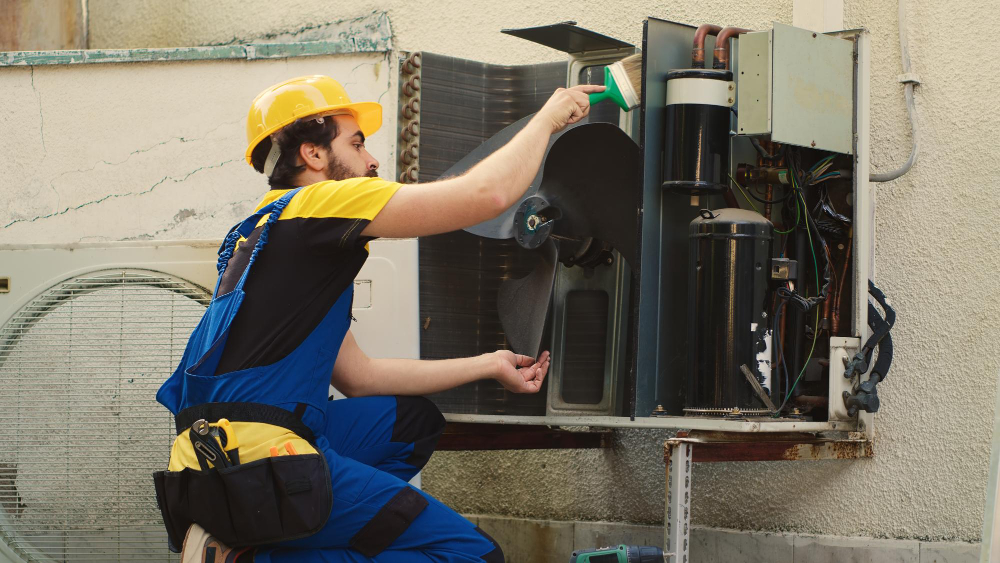
As the cooler weather settles in, your furnace becomes the heart of your home. But what happens when that heart starts beating with a loud, strange rhythm? It’s normal for your HVAC system to make some operational sounds, but a chorus of new, abnormal noises is often your furnace’s way of crying out for help. At Kac Express, we believe your comfort and safety are paramount, which is why we’re here to help you understand what those sounds might mean—and when it’s time to call in the pros.
Your Furnace’s Language: What Do Those Noises Mean?
Your heater can’t speak, but it communicates loud and clear through clangs, bangs, and hums. Paying attention to these sounds is the first step in diagnosing a potential issue before it turns into a major breakdown or safety hazard.
1. Loud Banging at Startup
Hearing a sudden, sharp bang when your furnace kicks on can be alarming. This often points to a delayed ignition. When the ignition is dirty or faulty, gas can build up in the combustion chamber and ignite all at once, creating a small explosion. This isn’t just noisy—it can be dangerous. This is a clear sign you need professional furnace repair.
2. Irregular Banging or Popping
If you hear banging or popping that doesn’t happen at startup, the culprit might be your ductwork. As air pressure and temperature fluctuate, metal ducts can expand and contract, creating noisy echoes. While not always an emergency, persistent noise can indicate airflow issues. A technician can assess and adjust your ductwork to quiet things down.
3. Persistent Rattling
A loose or broken component inside your furnace—like a panel, screw, or even a heat exchanger—can cause a disturbing rattle. Because your system has many moving parts, pinpointing the source yourself is tough. Ignoring it could lead to further damage. A thorough inspection from a heating repair expert can quickly locate and secure the problem.
4. High-Pitched Whistling
This spooky sound is usually a story of restricted airflow. The most common fix? Check and replace your dirty air filter. If a fresh filter doesn’t silence the whistle, you might have a leak in your ductwork or a issue with the blower motor. Sealing duct leaks is a key part of comprehensive HVAC maintenance.
5. Constant Humming or Buzzing
A low, persistent hum is more than an annoyance; it often signals an electrical problem. This could stem from a failing transformer, a loose wire, an issue with the blower motor, or the capacitor. Electrical issues are not for DIY. They pose safety risks and require immediate attention from a qualified technician to prevent damage to your system.
Don’t Let the Noise Fester: Trust Kac Express for Your Comfort
A noisy furnace is more than a disturbance; it’s a symptom. Whether it’s a simple fix or a complex repair, addressing sounds early can save you money and prevent hazardous situations.
Your peace and quiet—and warmth—are just a call away. If your furnace is speaking up, listen to it. Then, contact Kac Express to schedule a professional diagnosis and repair. Let us restore the quiet comfort your home deserves.
FAQs
Q: Is a loud furnace always a serious problem?
A: Not always, but persistent or sudden loud noises (like banging, humming, or whistling) often indicate an issue that needs professional diagnosis to prevent safety hazards or further damage.
Q: Can I fix a noisy furnace myself?
A: Some simple issues, like a dirty air filter causing whistling, can be fixed DIY. However, for sounds related to ignition, electrical components, or gas, always call a professional furnace repair technician for safety.
Q: What does a banging noise when my furnace starts mean?
A: A loud bang at startup often signals a delayed ignition, which can be dangerous due to gas buildup. This requires immediate professional heating repair.
Q: Why is my furnace making a humming sound?
A: A persistent hum usually points to an electrical issue, like a failing transformer or blower motor capacitor. It’s best to have an HVAC pro inspect it to avoid safety risks or system damage.
Q: Will a new air filter stop furnace noises?
A: It can stop whistling caused by restricted airflow. If the noise continues after changing the filter, the issue may be with ductwork or internal components, requiring professional service.
0 Comments