

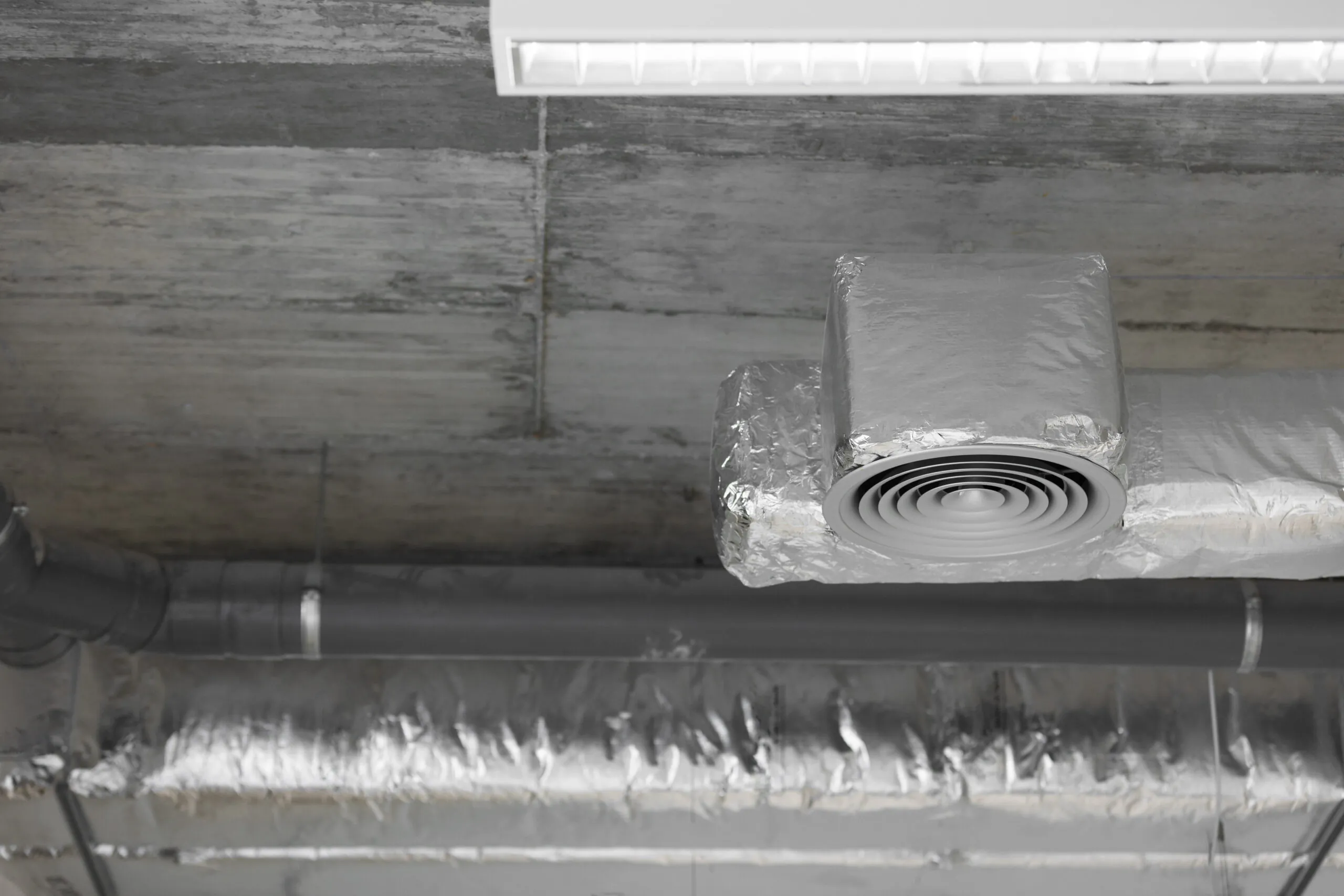
Did you know that leaky or damaged ducts can force your HVAC system to work up to 30% harder? According to Energy Star, a staggering 20-30% of conditioned air can be lost through leaks, holes, or poor connections. This isn’t just an efficiency problem—it’s a comfort and wallet problem, leading to uneven temperatures, higher utility bills, and a strain on your heating and cooling systems.
At KAC Express, we understand your AC repair and heating repair concerns often start with the hidden pathways in your home: your ductwork. Knowing when to repair or replace them is key to maintaining your comfort. Let’s explore the telltale signs that your air ducts need attention.
What Are the Signs I Need Air Duct Replacement?
Your ductwork is the silent highway for your home’s comfort, but it’s often forgotten. Ignoring problems can lead to bigger HVAC issues down the line. Catching duct issues early restores efficiency and comfort quickly. Here are the most common indicators that your ducts may need repair or replacement.
1. Unexplained Spike in Energy Bills
Have your monthly energy costs been climbing without a clear reason? This is often the first red flag. Leaks force your system to run longer to reach the desired temperature, wasting energy. Similarly, blockages from dust, debris, or even pests restrict airflow, making your system labor unnecessarily. If your bills are rising, your ducts could be the culprit, signaling it’s time for a professional evaluation of your entire system.
2. Uneven Heating or Cooling Throughout Your Home
Is one room always too hot while another is too cold? Inconsistent temperatures are a classic symptom of compromised ductwork. Leaks or gaps can prevent conditioned air from reaching certain rooms, while blockages can restrict its flow. This imbalance is a common reason homeowners seek both heating repair and AC repair services, often finding the root cause lies in the ducts themselves.
3. Increase in Dust and Debris Around Vents
Notice a constant film of dust around your supply registers or more dust settling on surfaces shortly after cleaning? This often points to leaky ducts pulling in dust from attics, crawl spaces, or walls and blowing it directly into your living spaces. It’s a clear sign your indoor air quality is being compromised by your ductwork.
4. New or Worsening Allergy Symptoms
If household members are experiencing unexplained respiratory irritation, itchy eyes, or allergy flare-ups indoors, your ducts might be to blame. Leaks can pull in allergens, mold spores, and pollutants, while old ducts can harbor years of accumulated dust and dander that get circulated every time your system runs.
5. Evidence of Pests or Rodents
Ducts provide a dark, sheltered highway for insects, rodents, and other pests. Hearing scurrying noises or finding signs of nesting can indicate an intrusion. Pests not only create blockages and contaminants but can also cause physical damage to the duct material, requiring extensive repair or replacement.
6. Visible Damage or Aging Ductwork
Ducts have a typical lifespan of 10-15 years. If you can visually inspect sections (like in a basement or attic), look for obvious signs: sagging sections, gaps at connections, rust, or tears in the material. Old, deteriorated ductwork simply can’t perform efficiently.
Call KAC Express for Expert Duct Services & HVAC Solutions
If any of these signs sound familiar, don’t wait for a minor issue to become a major problem. The health of your ductwork directly impacts the performance of your air conditioning and furnace.
Contact KAC Express today to schedule your duct inspection and get back to balanced, energy-efficient comfort in every room!
FAQs
1. How often should air ducts be replaced?
A. Most ductwork lasts 10-15 years. If your ducts are older, show visible damage, or you’re experiencing consistent comfort issues, it’s time for an inspection to assess their condition.
2. Can damaged ducts affect my AC and heating bills?
A. Absolutely. Leaky or blocked ducts can cause your HVAC system to work up to 30% harder, significantly increasing energy consumption and leading to higher utility bills. Addressing duct issues is a key part of efficient AC repair and heating repair.
3. What’s the difference between duct cleaning, repair, and replacement?
Cleaning removes dust and debris inside the ducts.
Repair seals specific leaks or fixes isolated damage.
Replacement involves installing new ductwork, recommended when ducts are extensively damaged, aged, or improperly sized for your home.
4. Will fixing my ducts improve my air conditioning performance?
A. Yes. Properly sealed and insulated ducts ensure the cool air from your AC reaches your living spaces efficiently, improving cooling performance, consistency, and reducing strain on the unit.
5. What are signs my ducts need repair instead of replacement?
A. Minor issues like a single detached section, a small leak at a joint, or a localized pest blockage often only require repair. Replacement is typically needed for widespread age-related deterioration, major contamination, or severe damage.
0 Comments