

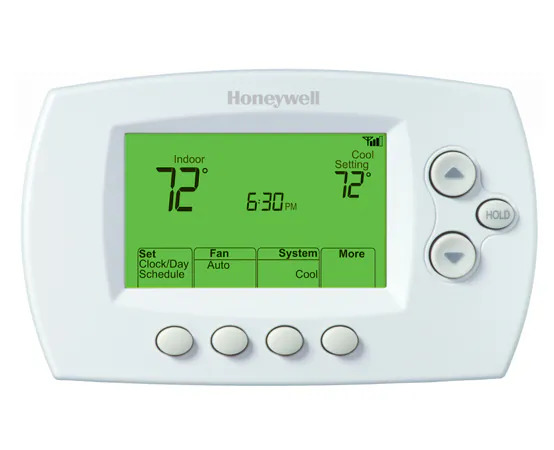
When you think about home comfort, your air conditioner or furnace probably gets most of the credit. But behind every comfortable Texas home is a small device quietly making decisions all day long the thermostat. This often-overlooked component is the command center of your HVAC system, controlling when your heating or cooling turns on, how long it runs, and how efficiently it operates.
In a climate like Texas, where scorching summers and unpredictable cold fronts are the norm, understanding how your thermostat works isn’t just interesting it’s essential. The right thermostat setup can improve comfort, lower energy bills, extend the life of your HVAC system, and even improve indoor air quality.
Let’s break down how thermostats work, the different types available today, and why choosing and using the right one makes a real difference for your home.
The Role of a Thermostat in Your HVAC System
At its core, a thermostat is a temperature-sensitive switch. It monitors the air temperature in your home and communicates with your HVAC system to maintain your preferred comfort level.
When the indoor temperature drifts away from your chosen setting, the thermostat sends a signal to your heating or cooling equipment to turn on. Once the desired temperature is reached, it signals the system to shut off. This continuous cycle keeps your home comfortable while balancing energy use.
However, modern thermostats do far more than simply turn equipment on and off. They help regulate energy consumption, prevent unnecessary wear on system components, and ensure your HVAC system operates as efficiently as possible especially when paired with proper system sizing and installation. Learn more about why system compatibility matters in Understanding the Importance of Proper HVAC Sizing for Your Home.
How Thermostats Sense Temperature?
Thermostats rely on temperature sensors to “feel” the air in your home. Depending on the type of thermostat, this sensing happens in different ways:
Mechanical thermostats use physical components that expand or contract as temperatures change.
Digital thermostats rely on electronic sensors that measure temperature more precisely.
Smart thermostats use advanced sensors, algorithms, and even external data like weather conditions.
The accuracy of this temperature reading is critical. If a thermostat misreads the room temperature even slightly it can cause discomfort, wasted energy, or unnecessary strain on your HVAC system.
Preventing Short Cycling: Why Thermostats Use a Buffer Zone
One of the most important but least understood thermostat functions is preventing short cycling. Short cycling occurs when your HVAC system turns on and off too frequently, often due to tiny temperature fluctuations.
To prevent this, thermostats use a concept called temperature differential (also known as hysteresis). Instead of activating the system the moment the temperature changes by a fraction of a degree, the thermostat allows a small “buffer zone” before triggering the system.
This buffer:
Reduces wear and tear on HVAC components
Improves energy efficiency
Helps maintain consistent indoor comfort
Without this built-in safeguard, your system would constantly start and stop, leading to higher utility bills and more frequent repairs.
Traditional Thermostats: Simple but Limited
Older, traditional thermostats rely on mechanical components such as bimetal strips. These strips are made from two metals bonded together, each reacting differently to temperature changes. As the air warms or cools, the strip bends, opening or closing an electrical circuit.
Pros:
Simple design
Reliable operation
No need for programming or Wi-Fi
Cons:
Less accurate than modern options
No scheduling capabilities
Limited energy-saving features
While these thermostats still function, they often struggle to keep up with today’s efficiency standards especially in large or multi-story Texas homes.
Programmable Thermostats: Comfort on a Schedule
Programmable thermostats were a major step forward in home comfort technology. Instead of manually adjusting temperatures throughout the day, homeowners can set schedules that align with their routines.
For example, you can program higher temperatures during work hours and cooler settings before you return home saving energy without sacrificing comfort.
Common scheduling options include:
7-day schedules for homes with varying daily routines
5+2 schedules for weekday/weekend consistency
5-1-1 schedules for traditional workweeks with flexible weekends
When used correctly, programmable thermostats can significantly reduce energy waste. However, they still require manual setup and adjustments, which many homeowners forget to update.
Smart Thermostats: The Future of Home Comfort
Smart thermostats take automation and efficiency to the next level. These advanced devices connect to Wi-Fi, allowing you to control your home’s temperature from anywhere using a smartphone or tablet.
More importantly, many smart thermostats learn your habits over time. They analyze when you’re home, when you’re away, and how your HVAC system performs then make automatic adjustments for optimal comfort and efficiency.
Some smart thermostats can even:
Integrate with smart home systems
Track energy usage trends
Adjust settings based on local weather
Send maintenance reminders
It’s no surprise that smart thermostats are becoming increasingly popular among Texas homeowners. Explore this technology in more detail in Smart Thermostats: Revolutionizing Home Comfort and Energy Efficiency.
Why Thermostat Placement Matters
Even the most advanced thermostat won’t perform well if it’s installed in the wrong location. Placement plays a major role in temperature accuracy and system performance.
Your thermostat should be:
Installed on an interior wall
Away from direct sunlight
Clear of drafts, vents, and doors
Positioned in a frequently used room
Improper placement can cause false temperature readings, leading to uneven comfort and increased energy use.
The Connection Between Thermostats and Energy Efficiency
Your thermostat directly impacts how much energy your HVAC system uses. Poor settings or outdated technology can lead to excessive runtime, higher utility bills, and unnecessary strain on equipment.
Smart and programmable thermostats help reduce energy waste by:
Limiting runtime when you’re away
Preventing extreme temperature swings
Encouraging consistent, efficient operation
Pairing the right thermostat with regular HVAC maintenance further enhances performance. For seasonal efficiency tips, check out Seasonal HVAC Maintenance Checklist: Preparing Your System for Peak Performance.
Thermostats and Indoor Air Quality
Temperature control isn’t just about comfort it also affects indoor air quality. When your HVAC system runs efficiently, it helps regulate humidity and circulate filtered air throughout your home.
This is especially important for households dealing with allergies or respiratory sensitivities. Proper thermostat settings can support cleaner, healthier indoor air by ensuring your system runs long enough to filter contaminants effectively. Learn more in The Role of HVAC Systems in Allergy Management: Creating a Healthier Home Environment.
Signs Your Thermostat May Need an Upgrade
Not sure if your thermostat is holding your system back? Here are a few warning signs:
Inconsistent temperatures between rooms
HVAC system running longer than necessary
Frequent manual adjustments
Rising energy bills with no clear cause
Lack of compatibility with newer HVAC equipment
Upgrading your thermostat is often a cost-effective way to improve comfort without replacing your entire system.
Choosing the Right Thermostat for Your Home
Every home is different, and the best thermostat depends on your HVAC system, lifestyle, and comfort goals. Some homeowners prefer simplicity, while others value advanced automation and remote access.
When selecting a thermostat, consider:
HVAC system compatibility
Home size and layout
Daily schedules and routines
Energy-saving goals
Professional guidance ensures you choose a thermostat that works seamlessly with your system. For help making the right choice, read Choosing the Best Thermostat for Your Home.
Why Professional Installation Makes a Difference
Even the best thermostat won’t deliver results if it’s improperly installed. Professional installation ensures:
Correct wiring and configuration
Proper system communication
Accurate calibration
Optimal placement
At KAC Express, our technicians ensure your thermostat works in harmony with your HVAC system maximizing comfort, efficiency, and reliability.
Final Thoughts: A Small Device with a Big Impact
Your thermostat may be small, but its impact on comfort, efficiency, and energy costs is enormous. From preventing unnecessary wear on your HVAC system to helping you maintain a comfortable indoor environment year-round, the right thermostat makes all the difference especially in Texas’s demanding climate.
Whether you’re upgrading to a smart thermostat or simply optimizing your current settings, understanding how your thermostat works empowers you to make smarter decisions for your home.
If you’re considering a thermostat upgrade or experiencing comfort issues, Contact KAC Express. Our experienced HVAC professionals can assess your system, recommend the right thermostat, and ensure it’s installed for peak performance keeping your home comfortable no matter the season.
FAQs
1. How does a thermostat control my heating and cooling system?
A. A thermostat monitors your home’s indoor temperature and compares it to your selected setting. When the temperature moves outside the set range, the thermostat sends a signal to your HVAC system to turn on heating or cooling. Once the desired temperature is reached, it signals the system to shut off, maintaining comfort while managing energy use.
2. What is the difference between a programmable thermostat and a smart thermostat?
A. A programmable thermostat allows you to set temperature schedules based on your daily routine, such as lowering cooling when you’re away from home. A smart thermostat goes a step further by learning your habits, adjusting settings automatically, and allowing remote control through a smartphone app. Smart thermostats can also track energy usage and respond to weather changes for improved efficiency.
3. Can upgrading my thermostat really lower my energy bills?
A. Yes. Upgrading to a programmable or smart thermostat can significantly reduce energy costs by preventing unnecessary heating or cooling. By adjusting temperatures when you’re asleep or away from home, your HVAC system runs less often, which lowers energy consumption and reduces wear on system components.
4. Why does my HVAC system turn on and off frequently?
A. Frequent cycling may be caused by incorrect thermostat placement, improper settings, or an outdated thermostat. Modern thermostats use a temperature buffer to prevent short cycling, which helps protect your HVAC system and maintain consistent comfort. A professional HVAC inspection can identify the exact cause.
5. Where should a thermostat be installed for best performance?
A. A thermostat should be installed on an interior wall, away from direct sunlight, doors, windows, air vents, and heat-producing appliances. Proper placement ensures accurate temperature readings, which helps your HVAC system operate efficiently and maintain even comfort throughout your home.
6. Are smart thermostats compatible with all HVAC systems?
A. Not all HVAC systems are compatible with every smart thermostat. Compatibility depends on system type, wiring, and voltage requirements. Before upgrading, it’s best to have a professional HVAC technician evaluate your system to ensure the thermostat will work correctly and safely.
7. How often should a thermostat be replaced?
A. Thermostats typically last 10 years or more, but older models may lack modern efficiency features. If your thermostat is inaccurate, unresponsive, or incompatible with newer HVAC equipment, upgrading sooner can improve comfort and energy efficiency.
8. Can a thermostat affect indoor air quality?
A. Yes. Proper thermostat settings help regulate HVAC runtime, which impacts air circulation and humidity control. When your system runs efficiently, it filters air more effectively, helping reduce allergens, dust, and airborne pollutants inside your home.
9. Do I need professional installation for a new thermostat?
A. Professional installation is highly recommended. An HVAC technician ensures proper wiring, correct setup, accurate calibration, and optimal placement. This prevents performance issues, protects your HVAC system, and ensures your thermostat delivers maximum comfort and efficiency.
10. How can KAC Express help with thermostat upgrades?
A. KAC Express provides expert thermostat consultations, professional installation, and system compatibility checks. Our team helps homeowners choose the right thermostat for their HVAC system and lifestyle, ensuring improved comfort, lower energy bills, and reliable performance year-round.
0 Comments