

When the Texas heat hits full force, your air conditioning system becomes more than just a convenience it’s a necessity. With temperatures often soaring well above 90°F and humidity levels making conditions feel even more intense, homeowners rely heavily on their AC systems to stay comfortable. But what happens when your unit suddenly stops working in the middle of a heatwave?
For many homeowners across Texas, unexpected AC breakdowns lead to stress, discomfort, and expensive emergency repairs. The good news is that most of these issues are entirely preventable. Regular air conditioning maintenance is one of the smartest investments you can make not only to keep your home cool but also to avoid costly service calls.
In this comprehensive guide, we’ll explore why routine AC maintenance in Texas is essential, what it includes, and how it helps prevent expensive repairs while improving efficiency and comfort.
Why AC Maintenance Is Crucial in Texas?
Texas weather is tough on HVAC systems. Long summers, high humidity, dust, and sudden weather changes all contribute to wear and tear on your air conditioner. Without proper care, even the best systems can struggle to keep up.
Regular maintenance ensures your system is prepared to handle these extreme conditions. It helps:
- Prevent unexpected breakdowns during peak summer months
- Maintain consistent indoor comfort
- Reduce energy consumption
- Extend the lifespan of your system
- Improve indoor air quality
If you want a deeper understanding of how local weather impacts your HVAC system, check out this helpful guide: How Texas Weather Impacts Your HVAC System.
The Real Cost of Skipping AC Maintenance
Many homeowners delay maintenance thinking it saves money but in reality, it often leads to higher costs down the line.
Neglecting your AC system can result in:
- Emergency repair bills
- Increased energy costs
- Premature system replacement
- Poor cooling performance
- Reduced indoor air quality
Delaying necessary care can also create hidden expenses that add up over time. Learn more here: Hidden Costs of Delaying AC Repair.
Common AC Problems That Maintenance Prevents
Routine maintenance plays a key role in identifying and preventing common air conditioning issues before they escalate.
1. Dirty or Clogged Air Filters
Clogged filters restrict airflow, forcing your system to work harder. This leads to higher energy bills and unnecessary strain on components.
2. Refrigerant Leaks
Low refrigerant levels reduce cooling efficiency and can cause system freezing or compressor failure one of the most expensive AC repairs.
3. Dirty Coils
Evaporator and condenser coils collect dirt over time, reducing heat transfer and making your AC less efficient.
4. Electrical Component Failures
Loose wiring, worn capacitors, or failing relays can cause your system to shut down unexpectedly.
5. Drain Line Clogs
Blocked condensate drains can lead to water leaks, mold growth, and even structural damage.
6. Airflow and Duct Issues
Leaky or damaged ductwork reduces efficiency and comfort.
What Happens During a Professional AC Maintenance Visit?
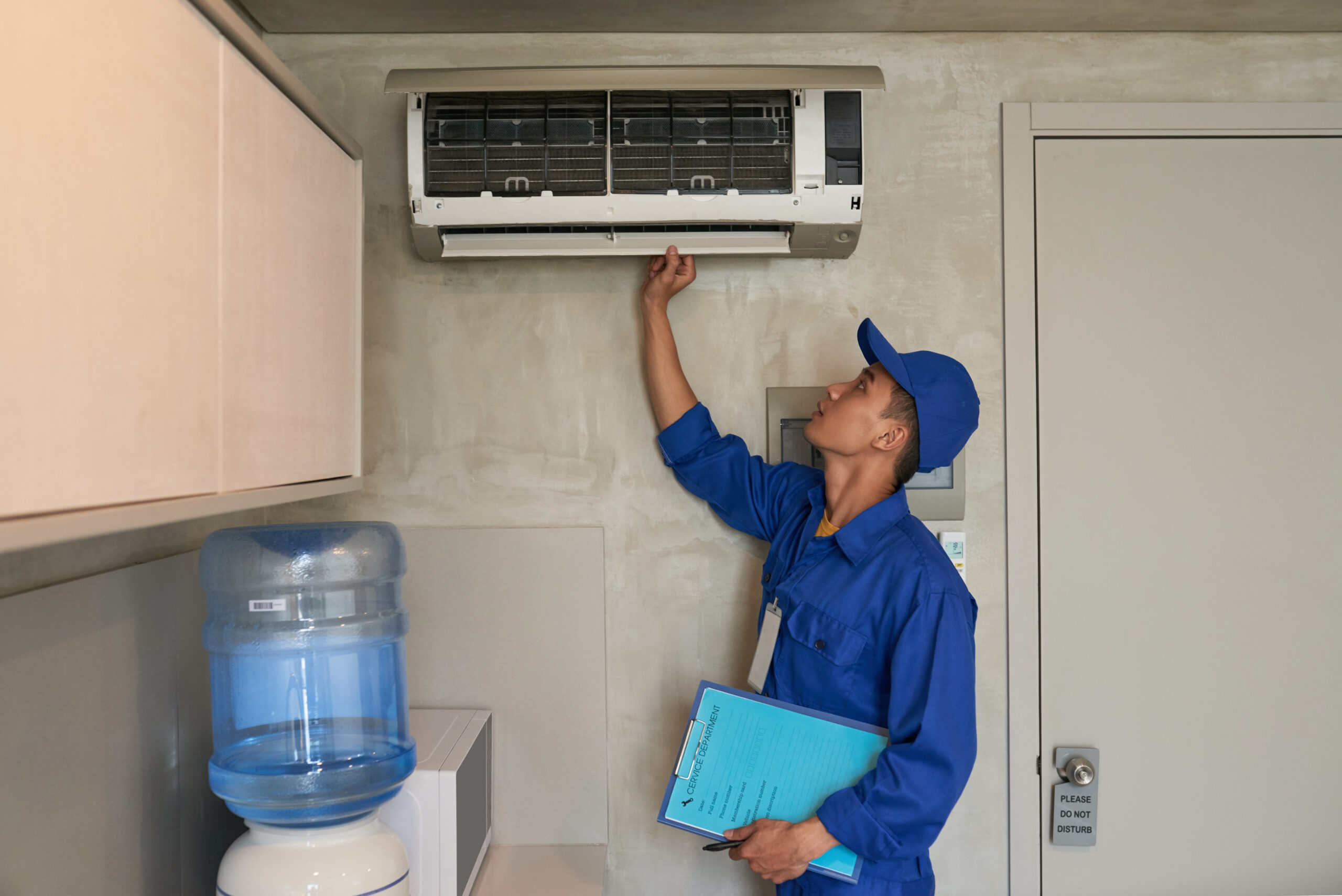
A professional AC tune-up involves a detailed inspection and optimization process designed to keep your system running at peak performance.
Typical maintenance includes:
- Cleaning or replacing air filters
- Checking refrigerant levels
- Inspecting and cleaning coils
- Examining electrical connections
- Testing thermostat accuracy
- Lubricating moving parts
- Clearing the condensate drain line
- Inspecting ductwork and airflow
If you want a full breakdown of maintenance steps, explore this guide: How to Maintain an Air Conditioning System.
How Maintenance Prevents Costly Service Calls?
Early Problem Detection
Small issues like worn components or minor leaks can be identified and fixed before they turn into major failures.
Avoiding Emergency Repairs
Emergency AC repairs during peak summer are often more expensive and harder to schedule. Regular maintenance drastically reduces this risk.
Improved Energy Efficiency
A well-maintained AC system uses less energy, which directly lowers your monthly utility bills.
Reduced Wear and Tear
Routine cleaning and adjustments minimize strain on critical components like compressors and motors.
Longer System Lifespan
Regular maintenance can extend your AC system’s life by several years, delaying the need for costly replacement.
Seasonal AC Maintenance Tips for Texas Homeowners
Spring: Prepare for the Heat
- Schedule a professional tune-up
- Replace filters
- Clear debris around outdoor units
For a full checklist: Seasonal HVAC Checklist.
Summer: Maintain Performance
- Keep vents unblocked
- Monitor for unusual noises or weak airflow
- Use smart thermostats to optimize cooling
Fall: Post-Summer Inspection
- Check for wear and tear
- Clean components
- Prepare for seasonal transition
Winter: Keep Components Functional
- Run the system occasionally
- Inspect for electrical issues
- Plan ahead for spring maintenance
The Role of Smart Technology in AC Maintenance
Modern HVAC systems are becoming smarter, making maintenance easier and more effective.
Smart thermostats can:
- Monitor system performance
- Alert you to issues early
- Optimize energy usage
- Improve comfort automatically
DIY Maintenance Tips Every Homeowner Should Follow
While professional service is essential, there are simple steps homeowners can take to support their AC system:
- Change air filters every 1–3 months
- Keep outdoor units clean and clear
- Check vents for blockages
- Monitor thermostat settings
- Listen for unusual noises
Warning Signs Your AC Needs Immediate Service
Even with regular maintenance, problems can still arise. Watch for these warning signs:
- Weak airflow
- Warm air instead of cool air
- Strange noises (rattling, grinding, squealing)
- Water leaks around the unit
- Unpleasant odors
- Rising energy bills
Why Professional Maintenance Is Worth It?
While DIY efforts help, professional maintenance offers deeper insights and more thorough care.
Benefits include:
- Advanced diagnostics and tools
- Expert problem identification
- Comprehensive cleaning and adjustments
- Safety checks
- Long-term cost savings
A trusted HVAC partner ensures your system performs reliably year-round. Learn why homeowners rely on KAC Express: Why KAC Express is Your Trusted HVAC Partner in Spring, TX.
How Often Should You Schedule AC Maintenance?
For most Texas homeowners, scheduling maintenance at least once a year is recommended. However, due to heavy usage in hot climates, bi-annual maintenance (spring and fall) is ideal.
Homes with pets, allergies, or older systems may benefit from more frequent inspections.
The Long-Term Benefits of Regular AC Maintenance
Investing in routine maintenance delivers long-term value:
- Lower repair costs
- Improved system reliability
- Better indoor comfort
- Healthier indoor air
- Higher property value
It’s not just about avoiding breakdowns it’s about maximizing your system’s performance and protecting your investment.
Final Thoughts
Air conditioning maintenance isn’t just a routine task it’s a proactive strategy to protect your home, your comfort, and your budget. In Texas, where AC systems work harder than in most parts of the country, regular maintenance becomes even more critical. By scheduling routine tune-ups, addressing small issues early, and following simple maintenance practices, you can significantly reduce the risk of unexpected breakdowns and expensive service calls.
Contact KAC Express for Reliable AC Maintenance in Texas, TX
Don’t wait for your AC to fail during the hottest day of the year. Prevent costly repairs and keep your home comfortable with expert maintenance from KAC Express. Our experienced technicians provide thorough inspections, professional tune-ups, and reliable service tailored to Texas homes. Whether you need routine maintenance or immediate assistance, we’re here to help you stay cool and stress-free.
Call KAC Express today to schedule your AC maintenance today and experience dependable comfort all year long.
FAQs
1. How often should I schedule AC maintenance in Texas?
A. It’s recommended to schedule professional AC maintenance at least once a year. However, in Texas where systems run longer and harder, twice a year (spring and fall) is ideal for optimal performance and reliability.
2. What happens if I don’t maintain my air conditioner regularly?
A. Skipping maintenance can lead to reduced efficiency, higher energy bills, frequent breakdowns, poor indoor air quality, and even premature system failure resulting in costly repairs or replacement.
3. How long does an AC maintenance service take?
A. Typical professional AC maintenance visit takes about 60 to 90 minutes, depending on the system’s condition and whether any issues are discovered during the inspection.
4. Can regular maintenance really prevent expensive AC repairs?
A. Yes, routine maintenance helps identify minor issues early before they turn into major problems like compressor failure or electrical damage, which are significantly more expensive to fix.
5. What are the signs that my AC needs immediate service?
A. Look out for warning signs such as weak airflow, warm air, unusual noises, water leaks, foul odors, or a sudden spike in energy bills. These indicate your system needs professional attention.
6. Is AC maintenance something I can do myself?
A. Homeowners can handle basic tasks like changing air filters, cleaning around the outdoor unit, and checking vents. However, professional maintenance is essential for inspecting internal components, refrigerant levels, and electrical systems.
7. How often should I replace my AC air filter?
A. Air filters should typically be replaced every 1–3 months, depending on usage, indoor air quality, pets, and allergies. Dirty filters can restrict airflow and reduce system efficiency.
8. Does regular maintenance improve energy efficiency?
A. Absolutely. A clean and properly tuned AC system can operate up to 10–15% more efficiently, helping you save on monthly energy bills while maintaining better cooling performance.
9. Can maintenance extend the lifespan of my AC unit?
A. Yes, routine maintenance reduces wear and tear on components, helping your system last longer often up to 15–20 years with proper care.
10. When is the best time to schedule AC maintenance in Texas?
A. The best time is during spring before the summer heat begins. A second maintenance visit in fall is also beneficial to ensure year-round efficiency and system health.
0 Comments