

What Your AC Compressor Does and What to Do When It Fails?

    Request a Free Estimate

    Same-Day or Next-Day Appointments Available

    for faster service, please call +1(832) 326-5687 Or:

    What Your AC Compressor Does and What to Do When It Fails?

    by | Dec 30, 2025 | Air Conditioning | 1 comment

    In Texas, air conditioning isn’t just about comfort it’s about safety. When summer temperatures climb and humidity levels soar, your AC system works overtime to keep your home livable. For families with young children, seniors, or anyone with health concerns, a functioning air conditioner can be critical.

    Inside every AC system are several components working together to manage heat and humidity. You may have heard of coils, refrigerant lines, or air handlers, but one part quietly does most of the heavy lifting: the AC compressor.

    Often called the “heart” of the air conditioning system, the compressor is essential to cooling performance. Unfortunately, it’s also one of the most misunderstood and expensive components to repair or replace. Understanding what your AC compressor does, how it fails, and what your options are can help you avoid uncomfortable surprises and costly emergency calls.

    What Is an AC Compressor?

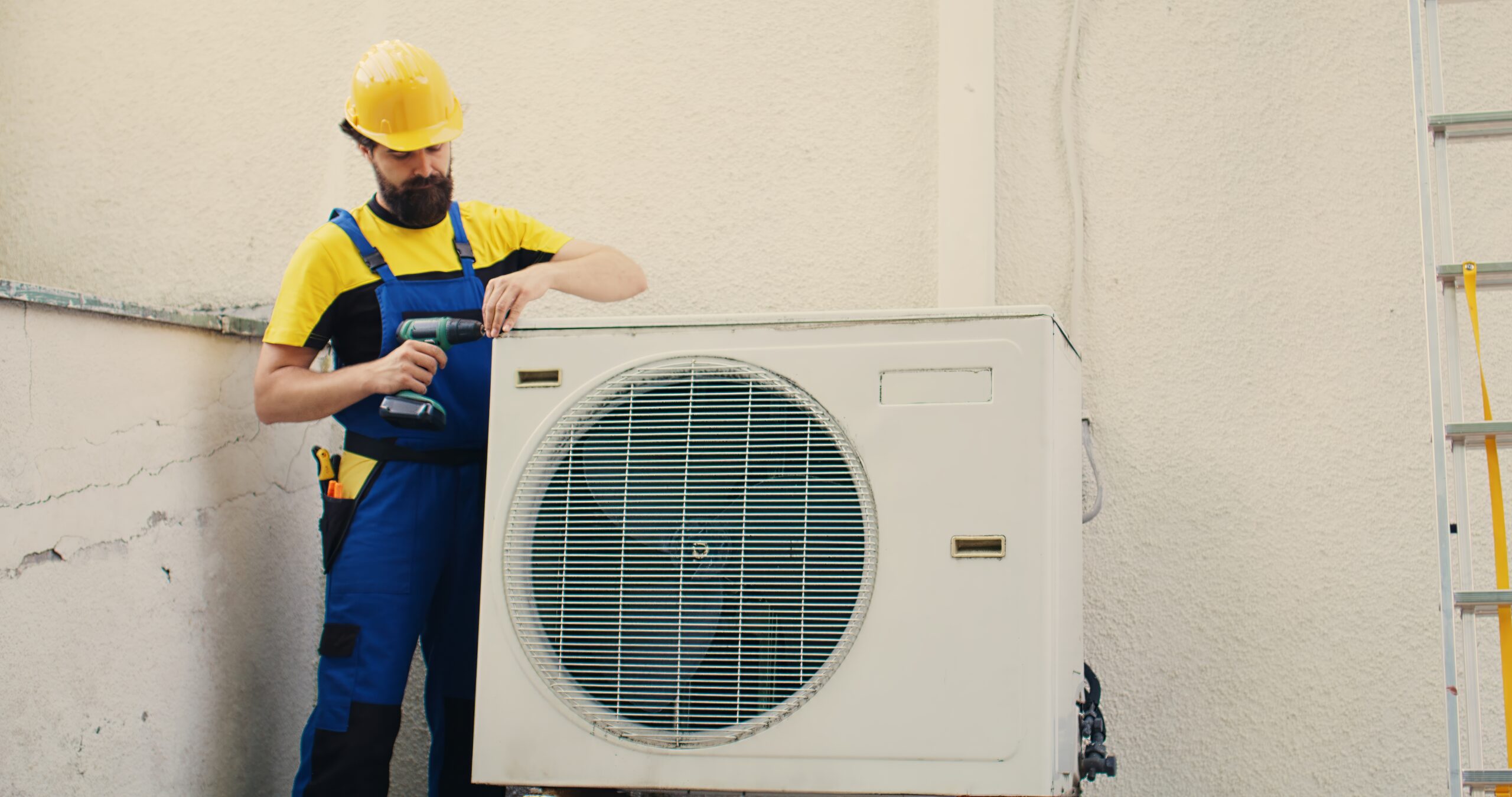
    The AC compressor is a motor-driven component located in the outdoor condenser unit. Its job is to keep refrigerant moving through the system so heat can be removed from inside your home and released outdoors.

    Without a working compressor, your air conditioner simply cannot cool no matter how new or well-maintained the rest of the system may be.

    Because modern HVAC systems rely on precise refrigerant pressures and electronic controls, the compressor plays a central role in system efficiency, performance, and reliability.

    How the AC Compressor Works

    Your AC system cools your home by transferring heat, not by creating cold air. The compressor makes this process possible.

    Here’s a simplified breakdown of how it works:

    1. Warm air from inside your home passes over the indoor evaporator coil

    2. Refrigerant absorbs that heat and turns into a low-pressure gas

    3. The compressor pulls in that gas and compresses it

    4. Compression raises the refrigerant’s pressure and temperature

    5. The hot refrigerant moves to the outdoor condenser coil

    6. Heat is released outside, and the refrigerant cools and condenses

    7. The cycle repeats until your home reaches the desired temperature

    This process can repeat hundreds of times a day during peak Texas summers. Over time, that workload puts significant strain on the compressor especially if maintenance is neglected or power conditions are unstable.

    Signs Your AC Compressor Is Failing

    Compressor problems rarely happen without warning. Knowing the early symptoms can help you act before a complete breakdown occurs.

    1. Warm Air From the Vents

    If your Air Conditioner is running but blowing warm or mildly cool air, the compressor may not be pressurizing refrigerant properly. This is one of the most common and noticeable signs of compressor trouble.

    2. Unusual Noises From the Outdoor Unit

    Grinding, rattling, buzzing, or squealing noises coming from the condenser unit can indicate internal mechanical failure, loose components, or electrical issues inside the compressor.

    Some sounds may overlap with other issues, which is why unusual noises should always be professionally inspected. Related guidance can be found in Is Your Furnace Trying to Tell You Something? Decoding Those Strange Noises.

    3. AC Struggling to Start

    If your system has trouble turning on or frequently trips the breaker, the compressor motor may be drawing excessive power due to internal damage.

    4. Higher Energy Bills

    A failing compressor often works harder than it should, increasing energy usage without delivering better cooling. A sudden spike in utility bills can be an early warning sign.

    5. System Short Cycling

    When the compressor overheats, safety controls may shut the system down prematurely. This leads to short cycling, uneven cooling, and increased wear on the system.

    What Causes an AC Compressor to Fail?

    Compressor failure is rarely caused by a single issue. In most cases, it’s the result of ongoing stress, poor maintenance, or related system problems.

    Electrical Issues

    Power surges, damaged contactors, faulty wiring, or capacitor failure can all harm compressor motors. Electrical stress is especially common during storms and peak demand periods in Texas.

    Protecting your system from these risks is critical, which is why many homeowners also consider surge protection and storm-readiness strategies like those outlined in How to Protect Your AC Unit During a Storm.

    Dirty or Blocked Condenser Coils

    When condenser coils are clogged with dirt, grass, or debris, heat can’t dissipate properly. This forces the compressor to operate at higher temperatures, increasing the risk of overheating and failure.

    Refrigerant Problems

    Low refrigerant levels often caused by leaks reduce pressure and force the compressor to work harder. Overcharging refrigerant is just as dangerous, raising system pressure beyond safe limits.

    Lack of Lubrication

    Compressors rely on proper lubrication to prevent metal-on-metal friction. Poor oil circulation or internal contamination can cause rapid wear and internal damage.

    Poor Maintenance Habits

    Skipped tune-ups, dirty filters, and restricted airflow all contribute to compressor strain. Regular maintenance is one of the most effective ways to prevent premature failure.

    Repair vs. Replacement: What Are Your Options?

    When a compressor fails, homeowners often face a tough decision: repair the compressor or replace the system.

    Age of the System

    If your AC system is more than 10–12 years old, compressor replacement may not be cost-effective. Older systems are more likely to experience additional failures, and replacement parts may be expensive or limited.

    Cost of Repair

    Compressor replacement is one of the most expensive AC repairs. Parts alone can cost thousands of dollars, not including labor, refrigerant handling, and system rebalancing.

    Efficiency Considerations

    Newer AC systems are significantly more energy-efficient. If your current unit is outdated, replacing the entire system may result in long-term energy savings and improved comfort.

    Warranty Coverage

    If your compressor is still under manufacturer warranty, replacement may be more affordable. However, labor costs are often not covered, making it important to evaluate the full expense.A professional assessment is the best way to determine the right path forward. A trained technician can evaluate system condition, efficiency, and long-term value before recommending a solution.

    How to Prevent AC Compressor Problems

    While not all compressor failures are preventable, proper care dramatically reduces the risk.

    Schedule Regular Maintenance

    Routine tune-ups help identify electrical issues, refrigerant imbalances, airflow restrictions, and early wear before serious damage occurs. This is especially important in high-demand climates like Spring, TX.Learn more about the value of consistent maintenance in Why Spring, TX Homeowners Need More Frequent AC Tune-Ups.

    Keep the Outdoor Unit Clean

    Clear debris, leaves, and vegetation from around the condenser unit to ensure proper airflow and heat release.

    Change Air Filters Regularly

    Dirty filters restrict airflow, forcing the system and compressor to work harder than necessary.

    Address Problems Early

    Unusual noises, poor cooling, or electrical issues should never be ignored. Early repairs are almost always less expensive than emergency replacements.

    Improve Overall System Efficiency

    Efficiency improvements reduce strain on all components, including the compressor. Helpful strategies are outlined in Improve Home Cooling Efficiency Without Replacing Your System.

    Why Texas Heat Is Especially Hard on Compressors

    Texas summers push HVAC systems to their limits. Extended run times, high outdoor temperatures, and sudden storms all increase compressor workload.Systems that aren’t properly sized, maintained, or protected are far more likely to experience premature failure. That’s why working with a local HVAC provider who understands regional challenges makes a difference.

    Why Homeowners Trust KAC Express

    At KAC Express, we understand that compressor problems aren’t just technical issues they’re comfort emergencies. Our experienced technicians take the time to diagnose problems accurately, explain your options clearly, and recommend solutions that make sense for your home and budget. Whether your compressor needs repair, replacement, or preventive maintenance, our team is committed to reliable service and long-term results. Learn more about our approach and commitment to homeowners in Why KAC Express Is Your Trusted HVAC Partner in Spring, TX.

    Conclusion

    Your AC compressor plays a critical role in keeping your home cool, safe, and comfortable especially during intense Texas heat. Understanding how it works and recognizing early warning signs can help you avoid breakdowns, reduce costs, and extend the life of your system. If your air conditioner isn’t performing the way it should, or if you’re concerned about compressor health, don’t wait until the problem worsens. Contact KAC Express today for professional diagnostics, honest advice, and dependable HVAC solutions designed for Texas living.

    FAQs

    1. What happens if my AC compressor stops working?

    A. If the compressor fails, your air conditioner will not be able to cool your home. Even if the system turns on, it may blow warm air or shut down entirely because refrigerant can no longer circulate properly.

    2. How long does an AC compressor typically last?

    A. An AC compressor usually lasts 10–15 years, depending on usage, maintenance, climate, and system quality. Regular tune-ups and proper airflow can help extend its lifespan, especially in hot Texas conditions.

    3. Is it cheaper to repair or replace a failed AC compressor?

    A. It depends on the age and condition of your system. For newer units under warranty, compressor replacement may be cost-effective. For older systems, replacing the entire unit is often the better long-term investment.

    4. Can I run my AC if the compressor is failing?

    A. Running your AC with a failing compressor is not recommended. Continuing to operate the system can cause additional damage, increase energy bills, and lead to more expensive repairs.

    5. How can I prevent AC compressor failure?

    A. The best way to prevent compressor failure is through regular HVAC maintenance, keeping filters clean, ensuring proper airflow, and addressing small issues early before they become major problems.

    0 Comments

    Categories

    Archives

    Find by Tags

    New Customer Special – $50 Off First Repair Call Before 2PM for Same-Day Service

    X