

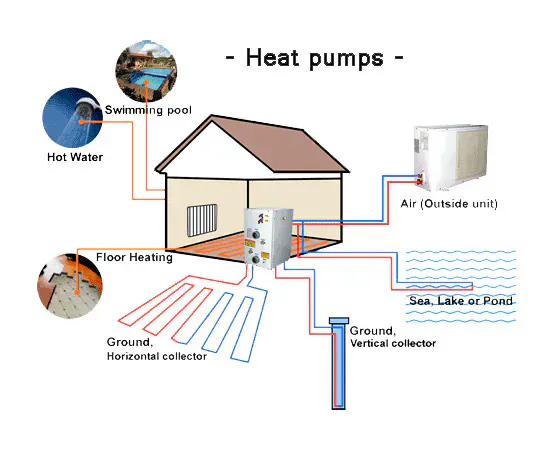
Heat pumps play a critical role in keeping Texas homes comfortable year-round. Unlike traditional HVAC systems that only heat or cool, heat pumps handle both functions by transferring heat rather than generating it. That efficiency makes them popular but it also means that when something goes wrong, the impact on comfort can be immediate and frustrating.
If your heat pump isn’t working the way it should, knowing how to respond can save you time, money, and unnecessary stress. This guide walks you through what to do when your heat pump needs repair, from recognizing early warning signs to deciding when professional service is necessary and how to prevent future breakdowns.
Understanding How a Heat Pump Works (and Why Repairs Matter)
Before diving into repairs, it helps to understand why heat pumps are unique. Heat pumps move heat from one place to another using electricity, refrigerant, and airflow. In winter, they extract heat from outdoor air and bring it indoors. In summer, they reverse the process, removing heat from inside your home.
Because heat pumps operate year-round, they experience more wear than systems that only run seasonally. When even one component struggles such as the compressor, reversing valve, or thermostat it can reduce efficiency, spike energy bills, or cause complete system failure.
Ignoring early problems often leads to larger, more expensive repairs. Acting quickly is the key to protecting your investment and maintaining consistent indoor comfort.
Common Warning Signs Your Heat Pump Needs Repair
Heat pump issues rarely appear out of nowhere. Most systems show signs of distress long before they shut down completely. Recognizing these symptoms early allows you to take action before minor problems escalate.
1. Inconsistent Heating or Cooling
If your home feels uneven warm in some rooms and cool in others it could point to airflow problems, duct issues, or a malfunctioning thermostat. Heat pumps are designed to maintain steady temperatures, so fluctuations should never be ignored.
2. Rising Energy Bills
A sudden increase in energy costs without a change in usage often indicates inefficiency. Your heat pump may be working harder due to dirty filters, low refrigerant levels, or worn components.
3. Strange Noises
Heat pumps should run relatively quietly. Grinding, rattling, squealing, or buzzing sounds may signal loose parts, motor problems, or electrical issues that require immediate attention.
4. Short Cycling
If your system turns on and off frequently, it could be overheating, incorrectly sized, or struggling with sensor or control issues. Short cycling increases wear and reduces system lifespan.
5. Ice Buildup or Frost
While some frost during winter is normal, excessive ice on the outdoor unit is not. It may indicate refrigerant issues, airflow restrictions, or defrost cycle failures.
6. Unpleasant Odors
Burning or musty smells should never be ignored. Electrical odors can signal wiring problems, while musty smells may point to moisture or mold growth.
If you notice any of these signs, it’s time to take action.
First Steps to Take Before Calling for Repair
Not every heat pump issue requires immediate professional intervention. Some problems are simple and safe for homeowners to check on their own.
Check Your Thermostat
Ensure your thermostat is set to the correct mode (heat or cool) and temperature. If you use a smart thermostat, confirm it’s properly programmed and connected. Smart thermostat issues are a common source of heating and cooling complaints especially after power outages or software updates.
You can learn more about thermostat efficiency and comfort improvements in this guide: Smart HVAC Technology: How Smart Thermostats Improve Comfort and Cut Energy Bills
Inspect the Air Filter
Dirty filters restrict airflow, forcing your heat pump to work harder. This can cause overheating, poor performance, and even system shutdowns. Replace or clean filters regularly typically every 1–3 months.
Look at the Outdoor Unit
Clear away leaves, dirt, grass, or debris around the outdoor unit. Ensure at least two feet of open space on all sides to allow proper airflow.
Check Circuit Breakers
Sometimes the issue is as simple as a tripped breaker. If it trips repeatedly, however, stop resetting it and call a professional this can indicate an electrical problem.
Turn the System Off If You Notice Danger Signs
If you smell burning, hear loud mechanical noises, or see visible damage, turn the system off immediately and contact a professional technician.
When DIY Stops and Professional Repair Begins
Heat pumps are complex systems that combine electrical, mechanical, and refrigerant components. While basic checks are safe, most repairs should only be handled by licensed HVAC professionals.
Professional technicians have the tools and expertise to:
Diagnose refrigerant leaks
Repair or replace compressors
Fix reversing valve issues
Address electrical failures
Restore airflow and system balance
Attempting advanced repairs without training can void warranties, worsen damage, and create safety hazards.
If you’re unsure whether a repair is urgent or minor, it’s always safer to schedule a professional inspection.
What Happens During a Professional Heat Pump Repair Visit?
Knowing what to expect can make the repair process less stressful. During a professional service call, technicians typically follow a structured approach:
Step 1: System Evaluation
The technician inspects both indoor and outdoor units, checks thermostat communication, and reviews system performance data.
Step 2: Diagnostics
Using specialized tools, they test electrical components, refrigerant pressure, airflow, and temperature differentials to pinpoint the root cause.
Step 3: Clear Explanation
A reputable HVAC company will explain the issue in plain language, outline repair options, and provide upfront pricing.
Step 4: Repair and Testing
Once approved, the technician completes the repair and thoroughly tests the system to ensure safe and efficient operation.
Understanding this process helps homeowners feel confident and informed throughout the repair.
How Delaying Heat Pump Repairs Can Cost You More?
Putting off repairs might seem like a way to save money, but it often has the opposite effect. Small problems rarely stay small.
Delaying repairs can lead to:
Higher monthly energy bills
Accelerated wear on major components
Reduced system lifespan
Emergency breakdowns during extreme weather
More expensive repairs or full system replacement
This is especially important in Texas, where heat pumps often run during temperature extremes.
Learn more about the risks of waiting too long in this related article: The Hidden Costs of Delaying AC Repair: What Texas Homeowners Should Know
Preventing Future Heat Pump Repairs with Regular Maintenance
The best way to deal with heat pump repairs is to prevent them in the first place. Regular maintenance significantly reduces breakdowns and improves efficiency.
Schedule Biannual Maintenance
Heat pumps should be serviced twice a year once before summer and once before winter. This ensures your system is ready for peak demand.
A seasonal approach is outlined here: Seasonal HVAC Checklist: Preparing Your System for Houston’s Extreme Weather
Keep Filters and Coils Clean
Clean components allow your heat pump to operate efficiently and reduce strain on motors and compressors.
Monitor System Performance
Pay attention to unusual sounds, odors, or performance changes. Early detection prevents costly damage.
Protect Your System from Power Surges
Electrical surges can damage sensitive heat pump electronics. Surge protection adds an extra layer of safety.
Is Repair Always the Best Option?
Sometimes, repair isn’t the most cost-effective solution especially for older systems.
You may want to consider replacement if:
Your heat pump is over 10–15 years old
Repairs are frequent or expensive
Energy bills remain high despite fixes
The system struggles to maintain comfort
If replacement is on the table, understanding your options is essential.
Heat Pumps, Ductwork, and Overall System Health
Heat pump performance depends heavily on ductwork condition. Leaks, blockages, or poor design can cause many of the issues homeowners mistake for equipment failure.
If you’re experiencing uneven temperatures or airflow problems, duct inspection may be necessary.
Choosing the Right HVAC Partner for Heat Pump Repair
Not all HVAC companies offer the same level of expertise. When selecting a professional for heat pump repair, look for:
Licensed and insured technicians
Experience with heat pump systems
Transparent pricing
Strong local reputation
Preventive maintenance options
Working with a trusted HVAC partner ensures reliable repairs, honest recommendations, and long-term peace of mind.
Final Thoughts
When your heat pump needs repair, knowing what to do makes all the difference. From recognizing early warning signs and performing basic checks to calling professionals at the right time, proactive action protects your comfort and your budget.
Heat pumps are efficient, dependable systems but like all HVAC equipment, they require care. Regular maintenance, prompt repairs, and expert support ensure your system runs smoothly through every Texas season.
If your heat pump isn’t performing the way it should, don’t wait for a complete breakdown. Contact KAC Express to help with reliable heat pump repair, maintenance, and expert guidance keeping your home comfortable no matter the weather.
FAQs
1. How do I know if my heat pump needs repair?
A. Common signs include weak heating or cooling, unusual noises, frequent cycling, ice buildup on the unit, unpleasant odors, or a sudden increase in energy bills. If your heat pump isn’t maintaining consistent comfort, it’s time to have it inspected.
2. Can I keep using my heat pump if it’s not working properly?
A. It’s not recommended. Running a malfunctioning heat pump can cause further damage, increase energy costs, and potentially lead to complete system failure. Turning the system off and calling a professional can help prevent costly repairs.
3. What are the most common heat pump problems?
A. Typical issues include refrigerant leaks, faulty thermostats, dirty air filters, compressor problems, electrical issues, and airflow restrictions. Regular maintenance helps reduce the likelihood of these problems.
4. Why is my heat pump blowing cold air in heating mode?
A. This can happen due to thermostat settings, refrigerant issues, or a malfunctioning reversing valve. While brief cool airflow during defrost cycles is normal, persistent cold air usually requires professional repair.
5. How often should a heat pump be serviced?
A. Heat pumps should be professionally serviced at least twice a year once before summer and once before winter. Routine maintenance improves efficiency, prevents breakdowns, and extends system lifespan.
6. Is ice buildup on my heat pump normal?
A. Light frost during cold weather can be normal, but excessive ice buildup is not. It may indicate airflow problems, refrigerant issues, or a faulty defrost cycle and should be checked by an HVAC technician.
7. Are heat pump repairs expensive?
A. Repair costs vary depending on the issue, system age, and parts required. Minor repairs are usually affordable, but delaying service can lead to more expensive damage. Early repairs are almost always more cost-effective.
8. Should I repair or replace my heat pump?
A. If your heat pump is over 10–15 years old, needs frequent repairs, or no longer runs efficiently, replacement may be a better long-term investment. A professional evaluation can help you decide the best option.
9. Can dirty air filters really cause heat pump problems?
A. Yes. Clogged filters restrict airflow, forcing your heat pump to work harder. This can lead to overheating, reduced efficiency, higher energy bills, and premature system wear.
10. When should I call a professional for heat pump repair?
A. You should call a professional if basic troubleshooting doesn’t resolve the issue, or if you notice burning smells, loud noises, electrical problems, ice buildup, or complete system failure. Professional repair ensures safety and proper operation.
0 Comments