

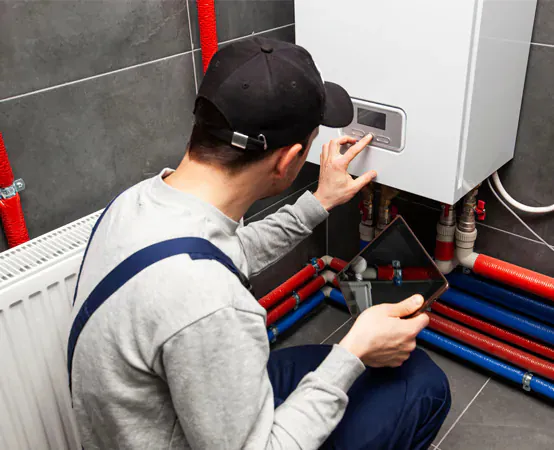
Choosing the right heating system can feel overwhelming, especially when you’re trying to balance comfort, efficiency, and long-term value. At KAC Express, helping homeowners make smart, informed decisions is what we do best. Understanding Home Heating Systems is the first step toward creating a warm, safe, and energy-efficient home—whether you’re upgrading your equipment or exploring your options for the very first time.
The Importance of Choosing the Right Heating System
Comfort, Efficiency, and Long-Term Savings
A well-chosen heating system does more than warm your home—it impacts energy costs, indoor air quality, and overall comfort. The right choice can reduce your utility bills, minimize repairs, and keep your home evenly heated during the coldest days of winter.
How Heating Impacts Indoor Air Quality
Your heating system also affects the air you breathe. While some systems circulate air through ducts, others rely on radiant heat. Understanding these differences can help you pick a system that fits your family’s health needs.
What Are Home Heating Systems?
Overview of Modern Heating Technologies
Today’s heating systems are designed with advanced technology, offering greater efficiency and durability than older models. Whether you’re considering gas, electric, or geothermal solutions, each type serves a unique purpose.
Key Components in Residential Heating Systems
Most systems include:
A heat source (fuel or electricity)
A delivery system (ducts, pipes, or blowers)
A thermostat for temperature control
Furnaces: How They Work & Why Homeowners Choose Them
Types of Furnaces (Gas, Electric & Oil)
Furnaces remain one of the most common heating systems in the U.S. They operate by heating air and pushing it through ductwork using a blower motor.
How Furnaces Produce Warm Air
After generating heat, the furnace circulates warm air through your home via ducts.
Furnace Efficiency Ratings (AFUE)
Modern furnaces achieve AFUE ratings of 90% or higher, meaning nearly all the fuel is converted into usable heat.
Pros & Cons of Furnaces
Pros:
Strong, fast heating
Widely available
Long lifespan
Cons:
Requires ductwork
Can circulate dust if not maintained
Fuel prices may fluctuate
Heat Pumps: A Dual-Purpose Comfort Solution
Heat pumps are becoming increasingly popular because they heat and cool your home using a single system.
Air-Source Heat Pumps
These units pull heat from the outside air to warm your home—perfect for mild to moderate winters.
Ductless Mini-Split Heat Pumps
Ideal for homes without ductwork or for room additions.
Geothermal Heat Pumps
These systems harness the earth’s stable temperature for maximum efficiency.
Advantages & Limitations of Heat Pumps
Benefits:
Energy efficient
Environmentally friendly
Provides both cooling and heating
Limitations:
Higher upfront cost
May need supplemental heat in extremely cold climates
Boilers: Radiant Heat for Superior Comfort
How Boilers Operate?
Boilers heat water instead of air. This hot water travels through pipes to radiators or under-floor systems.
Types of Boiler Systems
Hot water boilers
Steam boilers
Benefits & Drawbacks of Boilers
Benefits:
Quiet, consistent heating
Doesn’t circulate dust
Long lifespan
Drawbacks:
No cooling option
Slower heat delivery
Higher installation cost
Factors to Consider Before Choosing a Heating System
Budget & Upfront Costs
Furnaces are usually the most affordable upfront, while heat pumps save more over time.
Home Size & Layout
Larger homes may require more powerful systems or zoning options.
Existing Ductwork or Infrastructure
Ductless homes may benefit more from boilers or mini-split heat pumps.
Long-Term Maintenance Requirements
Every system requires annual tune-ups for best performance.
Maintenance Tips for All Heating Systems
Furnace Maintenance Essentials
Change filters every 1–3 months
Inspect ducts annually
Heat Pump Maintenance Essentials
Clear debris around outdoor units
Schedule bi-annual tune-ups
Boiler Maintenance Essentials
Check water levels
Bleed radiators when needed
FAQs
Q1: Which heating system is best for energy savings?
Heat pumps typically offer the highest efficiency.
Q2: How long does a furnace last?
Most furnaces last 15–20 years with proper maintenance.
Q3: Are boilers safe for older homes?
Yes—boilers work well in homes with existing radiator systems.
Q4: Can heat pumps work in cold weather?
Modern heat pumps operate efficiently even in colder climates.
Q5: What is the most affordable system to install?
Furnaces generally cost less upfront.
Q6: How often should I service my heating system?
Every system should be inspected annually by a professional.
Conclusion
Understanding Home Heating Systems helps you select the ideal solution for comfort, efficiency, and long-term peace of mind. Whether you’re leaning toward the reliable power of a furnace, the year-round versatility of a heat pump, or the quiet, radiant warmth of a boiler, choosing the right system makes all the difference. And when you’re ready to take the next step, KAC Express is here to help. Our experienced HVAC professionals can assess your home, recommend the best heating solution, and provide expert installation and maintenance.
Contact KAC Express today to schedule your consultation and enjoy a warmer, more efficient home all winter long.
0 Comments