

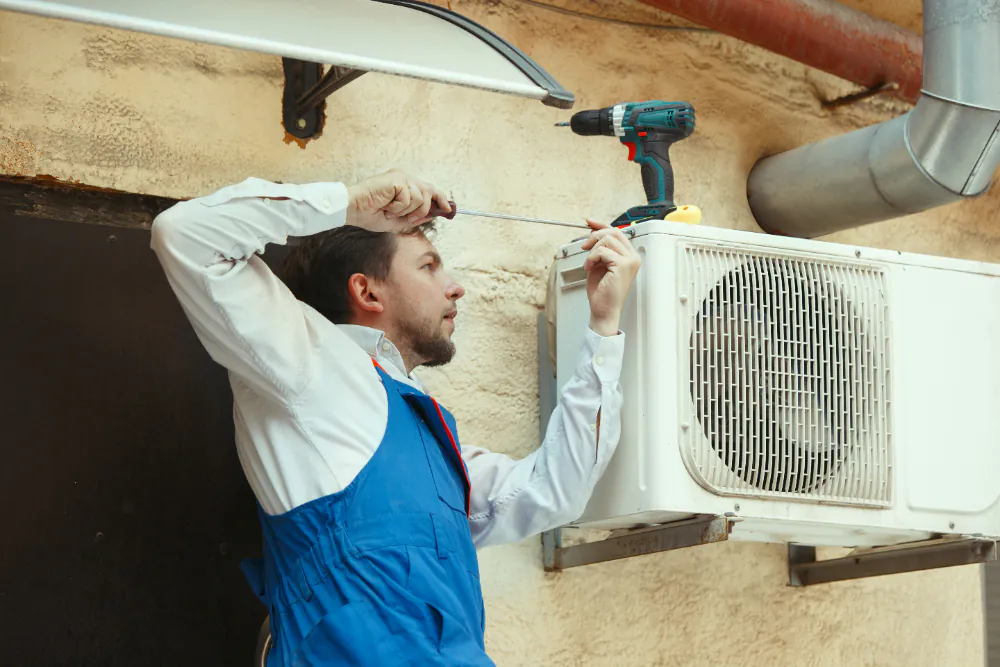
When you reside in Texas, a functioning cooling system is not an extravagance—it’s essential. With hot summers and mercurial weather, an appropriate air conditioning installation is the key to a comfortable and energy-efficient home. Not only does a proper installation provide maximum performance, but it also maximizes the lifespan of your system, minimizing the requirement for constant air conditioning repair in the future.
If you’re considering installing or replacing your AC system, here’s a step-by-step breakdown of the process.
Initial Home Assessment
The first step in any air conditioning installation is evaluating your home’s unique needs. Professionals assess your home’s square footage, insulation quality, and layout to determine the right size and type of system.
For houses without pre-existing ductwork, ductless air conditioning could be the way to go, providing flexibility and energy efficiency. For bigger houses, traditional systems could prove more economical in the long term.
Selecting the Proper Air Conditioning System
All AC systems are not equal. Based on your requirements, you might opt for central air systems, heat pumps, or ductless mini-splits.
Central AC Systems: Best for whole-house cooling.
Heat Pumps: Offer both heat and cool, so they are effective throughout the year.
Ductless Air Conditioning: Ideal for older houses or room additions where installing ducts is not practical.
Choosing the correct system saves energy and money in the future on replacement costs.
Addressing these details up front helps prevent costly air conditioning repair later.
Preparing for Installation
Prior to the installation of the new system, the technicians usually disconnect the old unit as part of the air conditioning replacement process. Inspect ductwork, wiring, and insulation to ensure all is safe and in compliance with performance and safety standards. Treating these aspects in advance prevents money-draining air conditioning repair down the road.
Installing the Indoor and Outdoor Units
This is the process of installing the condenser (outdoor unit) and evaporator (indoor unit) safely in the best positions. Efficient airflow and least strain on the system are achieved through proper installation.
Proper installation reduces breakdowns and helps you avoid unnecessary air conditioning repair and service calls early.
Correct installation minimizes breakdowns and ensures you won’t need premature air conditioning maintenance or repair calls.
Thermostat and Zone Control System Setup
Today’s thermostats, particularly smart thermostats, offer you more control over the temperature in your home. With a zone control system, you can personalize cooling between rooms, increasing comfort and energy efficiency.
As an example, bedrooms could be cooled at night, while minimum cooling is applied to less occupied areas, thus optimizing efficiency without compromising on comfort.
System Testing and Quality Check
Following installation, the system is thoroughly inspected. Technicians check refrigerant levels, airflow, and thermostat functionality to ensure your new AC operates efficiently. This process ensures the system is in position to tackle the Texas heat right from day one.
Post-Installation Maintenance
Even top-notch installation requires follow-up. Routine air conditioning maintenance—cleaning coils, replacing filters, and inspecting refrigerants—keeps your system running efficiently and dependably. Preventive maintenance lowers the risk of costly air conditioning repair and adds life to your unit.
Conclusion
Proper air conditioning installation in Texas is more than simply installing a unit—it is about selecting the right system, proper setup, and a commitment to regular maintenance. Whether installing ductless air conditioning, heat pumps, or central AC, professional installation guarantees maximum efficiency and comfort.
To remain cool and worry-free, always follow up with regular air conditioning maintenance. That way, your system will continue working hard for years to come, regardless of how hot Texas summers are.
For expert air conditioning installation in Texas, trust our professionals. Contact us today to schedule your service and keep your home comfortable all year round.
FAQs
Q1: How many hours does air conditioning installation in Texas take?
A. Most installations are 4–8 hours, depending on the system type and complexity.
Q2: What is the difference between central AC and ductless air conditioning?
A. Ductless systems do not involve ductwork and are suitable for spot cooling, whereas central AC is ideal for whole-home coverage.
Q3: How do I know when to replace the air conditioning rather than repair it?
A. If your unit is 10–15 years or older, or if your air conditioning requires constant repairs, then replacement will typically be less expensive.
0 Comments