

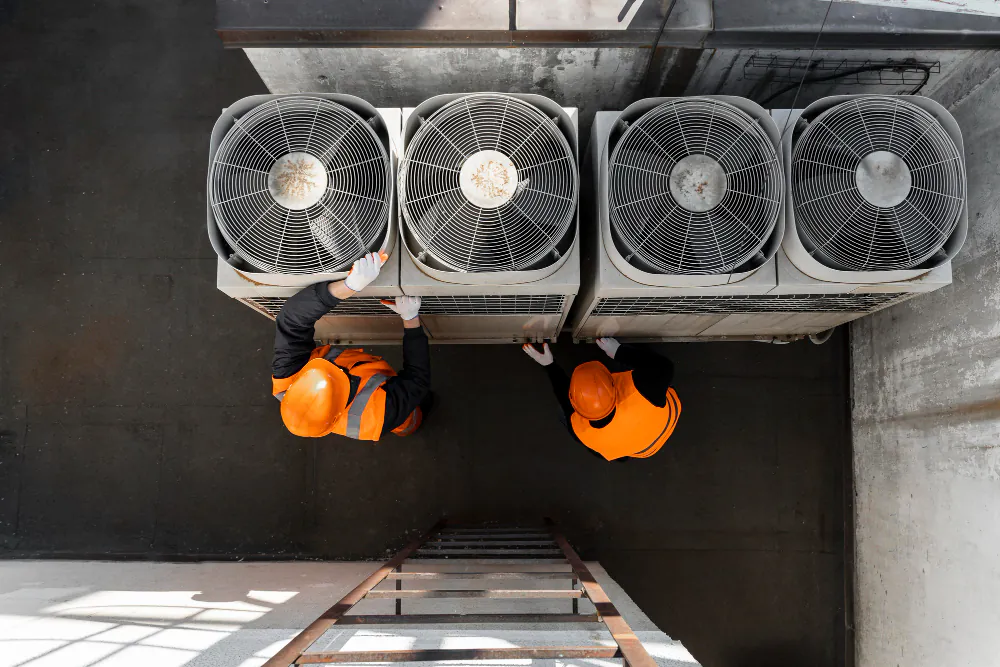
Texas weather can be unpredictable—scorching hot summers, mild falls, and occasional winter freezes. Without proper HVAC maintenance, you risk breakdowns when you need heating or cooling the most. Following a seasonal HVAC checklist helps you:
- Avoid costly emergency repairs
- Improve indoor air quality
- Lower monthly energy bills
- Extend the lifespan of your HVAC system
Whether you’re prepping for triple-digit summer heat or an unexpected winter cold front, this guide will keep your home comfortable year-round.
Seasonal HVAC Checklist for Texas Summers
Summer in Texas is no joke. High humidity and extreme heat mean your AC system works overtime. Here’s what to do before the hot season begins:
1. Replace or Clean Air Filters
- Change disposable filters or clean reusable ones every 1–2 months.
- Clogged filters restrict airflow and make your AC run harder.
Read – Why Regular AC Maintenance Saves You Money
2. Inspect the Thermostat
- Test your thermostat to ensure it’s cooling properly.
- Upgrade to a smart thermostat for better temperature control and energy savings.
3. Clean Around Outdoor AC Unit
- Remove leaves, grass, and dirt from around the condenser unit.
- Ensure at least two feet of clearance for proper airflow.
4. Schedule Professional AC Tune-Up
Schedule Air Conditioning Repair in Spring, TX with KAC Express. Our licensed HVAC technician will:
- Check refrigerant levels
- Inspect wiring and connections
- Clean evaporator and condenser coils
- Test system efficiency
5. Check Ductwork for Leaks
- Leaky ducts can waste up to 30% of cooled air.
- Consider professional duct sealing to keep energy bills low.
Seasonal HVAC Checklist for Texas Winters
While winters in Texas are generally mild, unexpected cold snaps can strain your heating system. Preparing ahead ensures warmth when you need it most.
1. Switch Thermostat Settings
- Change from cooling to heating mode.
- Test your system before the first cold front arrives.
2. Inspect and Replace Furnace Filters
- Just like in summer, clean filters are essential for airflow.
- Dirty filters make your heater less efficient.
3. Seal Drafts and Insulate
- Check for leaks around windows and doors.
- Insulate exposed pipes and attics to reduce heat loss.
4. Schedule Heating System Maintenance
Professional heating service in Texas includes:
- Checking burners and ignition systems
- Inspecting heat exchangers for cracks
- Ensuring safe carbon monoxide levels
5. Test Carbon Monoxide Detectors
- Install detectors near bedrooms and living areas.
- Replace batteries yearly for safety.
Year-Round HVAC Maintenance Tips
Whether it’s summer or winter, these habits keep your HVAC system running smoothly:
- Change filters regularly (every 1–2 months).
- Keep vents open and unblocked by furniture.
- Monitor energy bills—a sudden spike may indicate HVAC issues.
- Listen for unusual noises like rattling or grinding.
Benefits of Following a Seasonal HVAC Checklist
- Lower Energy Costs – Efficiency keeps bills manageable.
- Fewer Breakdowns – Prevents costly emergency repairs.
- Better Indoor Comfort – Consistent airflow and temperature control.
- Longer Equipment Lifespan – Regular tune-ups reduce wear and tear.
FAQs
Q1: How often should I schedule HVAC maintenance in Texas?
A: Twice a year—once before summer for cooling and once before winter for heating.
Q2: Can I do HVAC maintenance myself?
A: Homeowners can change filters, clean around units, and check vents. But professional inspections are crucial for safety and efficiency.
Q3: What temperature should I set my thermostat in summer?
A: For energy savings, the U.S. Department of Energy recommends 78°F when you’re home and 85°F when away.
Q4: Do Texas winters really require heating maintenance?
A: Yes. Cold snaps can happen suddenly, and a malfunctioning heater can leave you uncomfortable and unsafe.
Q5: How do I know if my HVAC system is failing?
A: Warning signs include uneven cooling/heating, unusual noises, frequent cycling, and rising energy bills.
Q6: Is duct cleaning really necessary in Texas homes?
A: Yes. Dust, pollen, and mold can build up in ducts, affecting air quality and system efficiency.
0 Comments