

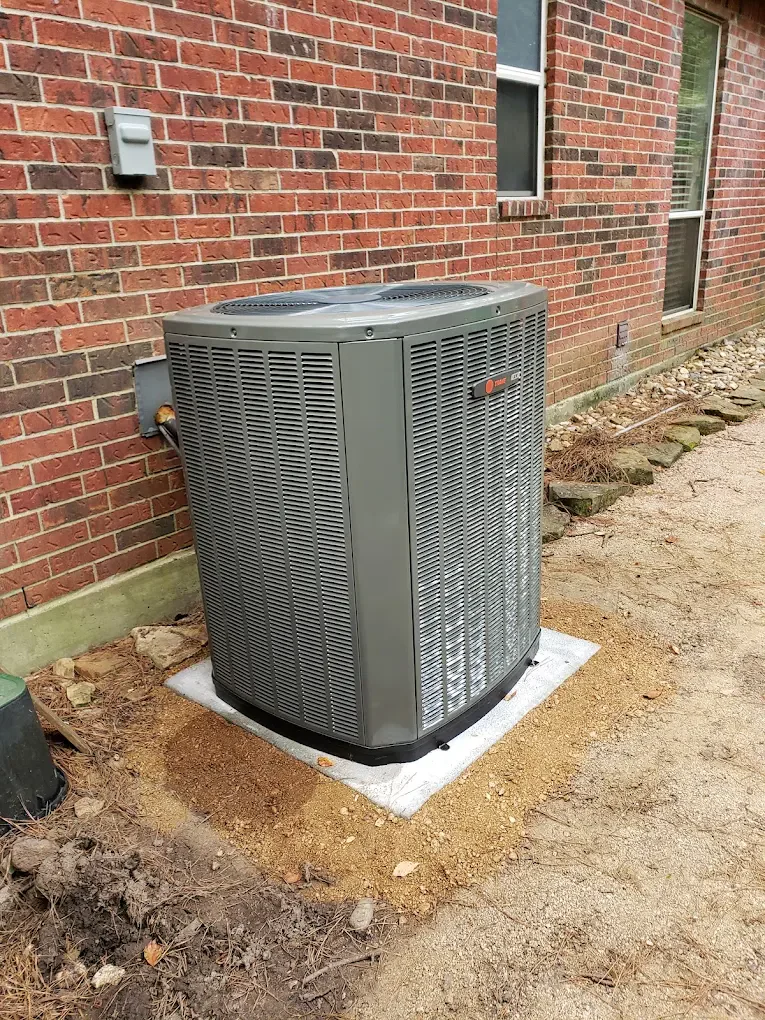
Heat pumps have become an increasingly popular choice for homeowners across Texas and for good reason. These systems provide both heating and cooling, offering an energy-efficient, all-in-one solution for year-round comfort. But like any HVAC equipment, a heat pump can only perform at its best when it’s properly maintained.
Without regular care, even the most advanced heat pump can lose efficiency, struggle to keep up with temperature demands, and experience premature wear. The good news? With the right maintenance habits and professional support, you can extend the life of your heat pump, reduce repair costs, and enjoy consistent comfort through every season.
This guide walks you through practical heat pump maintenance tips, explains why upkeep matters in Texas conditions, and shows when it’s time to call in the professionals.
Why Heat Pump Maintenance Matters More Than You Think?
A heat pump works differently than a traditional furnace or air conditioner. Instead of generating heat, it transfers heat moving it indoors during winter and outdoors during summer. Because it runs throughout the year, a heat pump experiences more consistent use than many other HVAC systems.
Proper maintenance helps:
Maintain energy efficiency
Reduce monthly utility bills
Prevent unexpected breakdowns
Improve indoor air quality
Extend system lifespan
In a climate like Texas, where heat pumps may operate nearly year-round, skipping maintenance can quickly lead to higher energy costs and reduced comfort.
Start With Regular Visual Inspections
One of the simplest yet most effective maintenance habits is performing routine visual checks. Homeowners don’t need technical expertise to spot early warning signs that something may be wrong.
Check both the indoor and outdoor units for:
Visible damage or corrosion
Loose connections or panels
Water pooling near the unit
Unusual noises during operation
Catching small issues early can prevent them from developing into expensive repairs. If something doesn’t look or sound right, it’s best to schedule a professional inspection before the problem worsens.
Keep the Outdoor Unit Clean and Clear
Your heat pump’s outdoor unit needs adequate airflow to function efficiently. When airflow is restricted, the system has to work harder, increasing wear and energy consumption.
To keep the outdoor unit in good condition:
Remove leaves, grass clippings, and dirt regularly
Trim vegetation at least two feet away from the unit
Avoid stacking items near or on top of the unit
Rinse the unit gently to remove dust buildup (with power off)
Storm debris and seasonal yard growth are common issues in Texas. If your area experiences frequent storms, it’s also wise to review tips on how to protect your AC unit during a storm, which apply equally to heat pumps.
Don’t Overlook Air Filter Maintenance
Air filters play a major role in heat pump performance. They trap dust, allergens, and debris before these particles circulate through your home or clog the system.
Dirty filters can cause:
Reduced airflow
Increased energy use
Poor indoor air quality
Uneven heating or cooling
Check your filters monthly and replace them as needed typically every 1–3 months depending on usage, pets, and allergies. Choosing the right filter is just as important as replacing it regularly. KAC Express breaks this down in choosing the right air filter for your HVAC system
Clean Indoor Components for Better Performance
While homeowners should avoid dismantling indoor components, keeping vents and registers clean makes a noticeable difference. Dust buildup around vents restricts airflow and reduces system efficiency.
Maintenance tips include:
Vacuuming vents and registers regularly
Ensuring vents aren’t blocked by furniture or rugs
Keeping indoor units free from dust and clutter
Professional technicians can perform deeper cleanings of coils, fans, and internal components that aren’t safely accessible to homeowners.
Adjust Settings for Seasonal Efficiency
Heat pumps rely on proper settings to operate efficiently during different seasons. Switching between heating and cooling modes is more than a simple button press it’s about optimizing performance for changing demands.
Seasonal best practices include:
Reviewing thermostat schedules
Adjusting temperature setpoints gradually
Avoiding extreme temperature changes
Texas homeowners benefit from planning ahead. A helpful resource is this seasonal HVAC checklist for summer and winter in Texas, which pairs well with heat pump maintenance planning
Schedule Professional Tune-Ups at Least Once a Year
While DIY maintenance goes a long way, professional heat pump tune-ups are essential. Trained technicians have the tools and expertise to identify issues that aren’t visible during routine inspections.
A professional maintenance visit typically includes:
Electrical system checks
Refrigerant level testing
Coil and fan cleaning
Lubrication of moving parts
Safety inspections
Regular professional service improves efficiency and reduces the risk of sudden breakdowns. This aligns closely with why regular AC maintenance is essential for Spring, TX homes, even when heat pumps are involved
Pay Attention to Unusual Smells or Sounds
Heat pumps are designed to operate quietly and without strong odors. When something changes, it’s often an early indicator of trouble.
Warning signs include:
Burning or electrical smells
Grinding, rattling, or buzzing noises
Clicking or popping during operation
Reduced heating or cooling output
Certain odors, in particular, should never be ignored. If you notice anything unusual, refer to heat pump odors you shouldn’t ignore for guidance on what they may mean
Monitor Energy Bills for Hidden Clues
Your utility bill can tell you a lot about your heat pump’s health. A sudden or gradual increase in energy costs may indicate that the system is working harder than necessary.
Common causes include:
Dirty filters or coils
Refrigerant issues
Thermostat malfunctions
Aging or worn components
Addressing efficiency problems early can help avoid the financial impact outlined in the hidden costs of delaying AC repair
Maintain Thermostat Accuracy
Your thermostat acts as the command center for your heat pump. If it’s outdated, poorly placed, or malfunctioning, even a well-maintained system can struggle.
Best practices include:
Keeping the thermostat away from direct sunlight
Ensuring it’s not near heat-producing appliances
Upgrading to a smart thermostat when appropriate
Smart thermostats can improve comfort, reduce energy waste, and provide better control especially in homes with varying schedules.
Know When Maintenance Isn’t Enough
Maintenance can solve many problems, but not all. If your heat pump is:
Over 10–15 years old
Requiring frequent repairs
Struggling to maintain comfort
No longer energy efficient
it may be time to consider repair or replacement options. Knowing what to do when your heat pump needs repair helps homeowners make informed decisions without unnecessary stress.
Why Texas Homes Need Extra Attention
Texas weather places unique demands on HVAC systems. High humidity, extreme heat, and sudden temperature swings increase system workload and wear.
Heat pump maintenance is especially important because:
Cooling seasons are long
Humidity control is critical
Equipment often runs year-round
Understanding how climate affects HVAC systems can help homeowners prioritize maintenance and avoid seasonal surprises.
Trust KAC Express for Heat Pump Maintenance
Heat pump maintenance doesn’t have to be complicated but it does need to be consistent. With professional care and a proactive approach, homeowners can enjoy efficient performance, lower energy costs, and reliable comfort throughout the year.
KAC Express provides expert heat pump maintenance tailored to Texas homes. Our technicians understand local conditions, system demands, and the importance of preventative care.
Final Thoughts
A well-maintained heat pump is one of the most efficient and reliable ways to keep your home comfortable in every season. By staying on top of routine maintenance, addressing small issues early, and partnering with trusted HVAC professionals, you protect your investment and your comfort.
If you want peace of mind knowing your heat pump is ready for whatever Texas weather brings, KAC Express is here to help.
FAQs
Q. How often should a heat pump be serviced?
A. Heat pumps should be professionally serviced at least once a year. Because they provide both heating and cooling, many Texas homeowners benefit from two seasonal check-ups to ensure peak performance year-round.
Q. Can I perform heat pump maintenance myself?
A. Homeowners can handle basic tasks such as changing air filters, keeping the outdoor unit clear of debris, and monitoring system performance. However, electrical checks, refrigerant levels, and internal component cleaning should always be handled by a licensed HVAC professional.
Q. How do I know if my heat pump needs maintenance?
A. Signs your heat pump may need maintenance include reduced heating or cooling, higher energy bills, unusual noises, weak airflow, or inconsistent temperatures throughout your home. Addressing these signs early can help prevent major repairs.
Q. How often should heat pump air filters be replaced?
A. Air filters should typically be checked monthly and replaced every 1–3 months. Homes with pets, allergies, or heavy system use may require more frequent filter changes to maintain airflow and indoor air quality.
Q. Does regular maintenance improve heat pump efficiency?
A. Yes. Regular maintenance keeps components clean, ensures proper airflow, and helps the system operate at optimal efficiency. This can lower energy consumption, reduce wear on parts, and extend the overall lifespan of the heat pump.
Q. What happens if I skip heat pump maintenance?
A. Skipping maintenance can lead to reduced efficiency, higher utility bills, frequent breakdowns, and a shorter system lifespan. Minor issues that go unchecked often turn into costly repairs over time.
Q. Are heat pumps reliable in Texas weather?
A. Heat pumps work well in Texas, but the extreme heat and humidity mean they must work harder. Regular maintenance is essential to keep the system running efficiently and to prevent performance issues during peak seasons.
Q. Why is my heat pump making unusual noises?
A. Unusual sounds such as rattling, buzzing, or grinding may indicate loose parts, electrical issues, or mechanical wear. These noises should be inspected by a professional as soon as possible to avoid further damage.
Q. When should I call a professional for heat pump maintenance?
A. You should call a professional if you notice persistent performance issues, strange smells, unusual noises, or rising energy bills. Scheduling preventative maintenance before peak seasons is also highly recommended.
Q. Is professional heat pump maintenance worth the cost?
A. Yes. Professional maintenance helps prevent expensive repairs, improves energy efficiency, and ensures reliable comfort. Over time, the savings from reduced energy use and fewer breakdowns often outweigh the cost of routine service.
0 Comments