

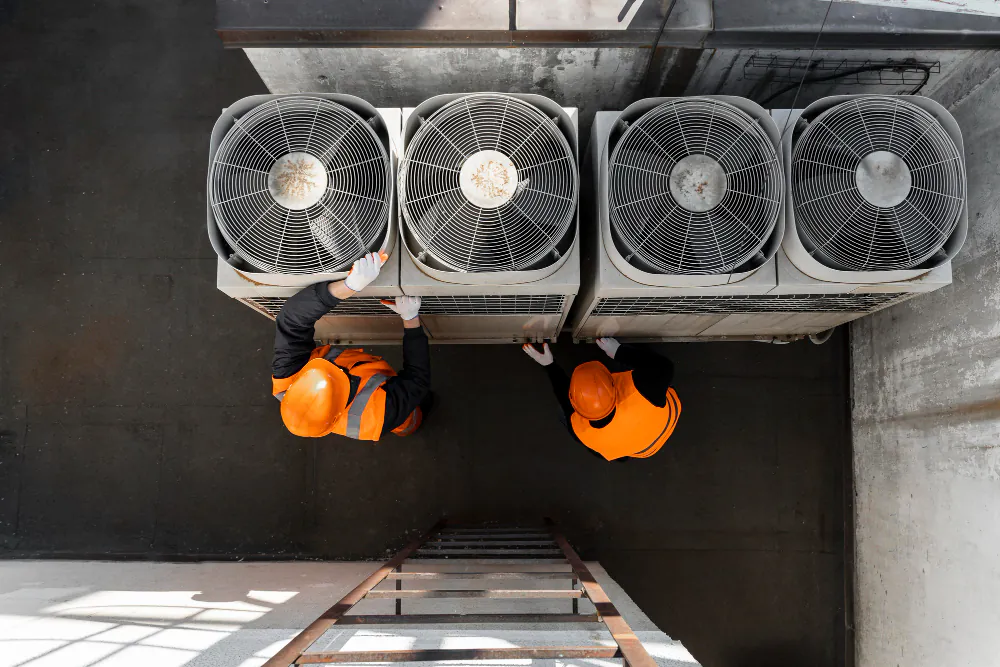
Texas weather is anything but predictable. From scorching summer heat to unexpected winter freezes, homeowners rely on their HVAC systems year-round to stay comfortable. But did you know that extreme weather patterns across Texas can take a heavy toll on your heating and cooling equipment?
In this blog, we’ll explore how the unique Texas climate impacts your HVAC system and what you can do to keep it running efficiently.
Why Texas Weather Is So Tough on HVAC Systems
Unlike states with mild climates, Texas puts HVAC systems through extreme conditions:
- Intense summer heat that makes AC units run almost nonstop.
- High humidity that forces systems to remove excess moisture along with cooling the air.
- Sudden winter cold snaps that push heaters and heat pumps beyond their limits.
- Powerful storms and hurricanes that cause flooding, debris damage, and power surges.
This combination means HVAC units in Texas work harder and wear out faster than in many other parts of the country.
👉 To see how to prepare for these swings, check out our Seasonal HVAC Checklist: Preparing Your System for Houston’s Extreme Weather
The Impact of Texas Summers on HVAC
1. Constant Cooling Demand
Texas summers can last six months or more, with air conditioners running almost constantly. This leads to:
- Higher energy bills
- Faster component wear, especially compressors and motors
- Increased risk of sudden breakdowns
👉 If uneven cooling is an issue in your home, you’ll want to read How to Maintain Consistent Cooling Throughout Your Home
2. Humidity Challenges
High humidity is another major Texas summer problem. When your AC has to cool the air and remove excess moisture, it faces double the workload. Without proper maintenance, you may notice:
- Musty smells indoors
- Mold growth in ductwork
- Reduced indoor air quality
👉 For more on managing moisture indoors, see The Science Behind Humidifiers: How They Improve Indoor Air Quality
The Impact of Texas Winters on HVAC
Though winters are mild compared to northern states, sudden freezes put stress on heating systems. Heat pumps and furnaces may deal with:
- Frozen coils
- Thermostat inefficiency during rapid shifts
- Overworking to maintain comfortable temperatures
👉 Our blog How Weather Affects Your Heating System explains in detail how cold snaps affect heaters and how you can protect your system.
Storms, Hurricanes, and HVAC Systems
Texas storms often come with high winds, lightning, and flooding. These conditions can cause serious HVAC damage, including:
- Flooding that damages outdoor units and electrical components
- Flying debris denting condenser fins and blocking airflow
- Power surges that burn out system controls
Simple steps like clearing debris around your outdoor unit and installing a surge protector can save you costly repairs.
Allergens and Air Quality in Texas
Seasonal allergies are another hidden way Texas weather impacts your HVAC. Pollen, dust, and mold spores can overwhelm filters during spring and summer. This leads to:
- Reduced airflow
- Strain on blower motors
- Lower indoor air quality
👉 For practical advice, see HVAC and Allergies: How to Improve Air Quality During Houston’s Allergy Season
Why Maintenance Matters More in Texas
Because HVAC systems in Texas work harder than those in most states, regular maintenance is not optional—it’s essential. Skipping tune-ups can result in:
- Higher utility bills
- A shortened system lifespan
- Voided warranties
- Expensive emergency breakdowns during peak heat
Upgrading Your HVAC for Texas Weather
If your system is over 10 years old, it may not be built for the demands of today’s extreme Texas weather. Upgrading to a high-SEER unit or a variable-speed system can dramatically improve comfort and reduce operating costs.
👉 For guidance, read our Guide to Choosing a New HVAC System in Texas.
Practical Tips to Protect Your HVAC from Texas Weather
Here’s what every Texas homeowner should do:
- Schedule two professional tune-ups each year (spring and fall).
- Replace air filters monthly during heavy use.
- Keep outdoor units clear of leaves, dirt, and branches.
- Use a surge protector to guard against storm-related power damage.
- Invest in a programmable or smart thermostat to optimize usage.
Conclusion
Texas weather puts unique and heavy demands on HVAC systems. From relentless summers and high humidity to sudden freezes and storm damage, your system works harder than most. With regular maintenance, strategic upgrades, and a little preventive care, you can keep your HVAC efficient, reliable, and ready for whatever Texas skies bring next.
FAQs
- Why does Texas weather cause more wear and tear on HVAC systems?
Texas has extreme seasonal swings—scorching summers, sudden freezes, and high humidity. This makes your HVAC run harder and longer than in many states, which accelerates wear and tear on parts like compressors, motors, and coils. - How often should I schedule HVAC maintenance in Texas?
In Texas, it’s best to schedule two tune-ups per year: one in spring before the heat and one in fall before cooler weather. This ensures your system is ready for peak performance during extreme conditions. - Can high Texas humidity damage my HVAC system?
Yes. High humidity makes your AC work harder to remove excess moisture. Without proper care, this can lead to mold, poor indoor air quality, and reduced efficiency. Using dehumidifiers or variable-speed systems can help balance indoor comfort. - What’s the best HVAC system for Texas weather?
A high-efficiency, variable-speed HVAC system is often the best choice for Texas. These units adjust their output to meet demand, helping you stay comfortable while lowering energy costs. - How can storms and power surges affect my HVAC system?
Severe Texas storms can flood outdoor units, damage electrical parts, and cause power surges that fry sensitive components. Installing a surge protector and clearing debris around your outdoor unit can help reduce the risks.
0 Comments