

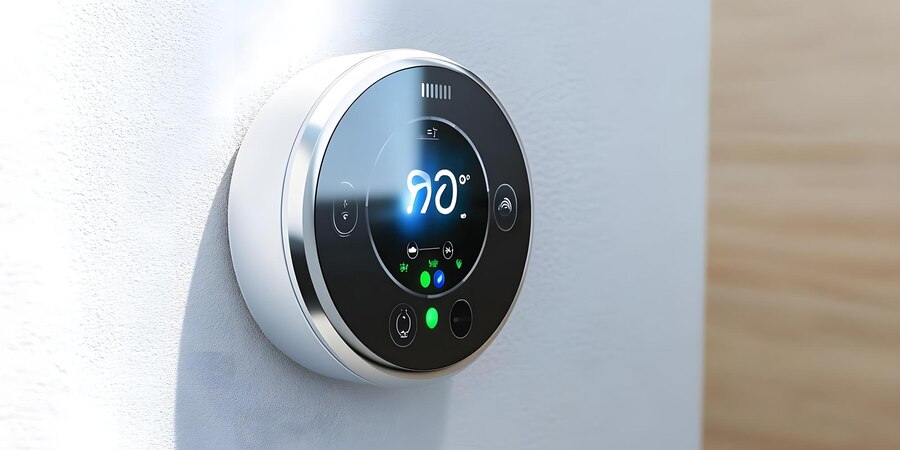
Texas homeowners face some of the most extreme weather conditions in the country. From scorching summer heat that stretches well into fall to sudden cold fronts in winter, keeping indoor comfort consistent is a year-round challenge. With air conditioning running for months at a time, many homeowners are asking smarter questions about comfort, efficiency, and rising energy bills. One solution continues to stand out: smart thermostats.
Across Houston, Spring, and surrounding Texas communities, smart thermostats are quickly becoming one of the most popular HVAC upgrades. They offer more than convenience they provide real control, energy savings, and long-term system protection. As Texas weather becomes more unpredictable, homeowners are turning to smarter technology to stay comfortable without wasting energy.
Texas Heat Is Driving the Need for Smarter Climate Control
Texas summers are long, intense, and unforgiving. Triple-digit temperatures and high humidity force air conditioners to run nearly nonstop, which can lead to skyrocketing energy bills and excessive wear on HVAC systems. Many homeowners researching how Texas weather impacts your HVAC system eventually realize that temperature control plays a major role in overall efficiency.
Traditional thermostats struggle to keep up with these conditions. They rely entirely on manual adjustments and don’t account for changing routines, weather patterns, or occupancy. Smart thermostats, however, adapt in real time making them ideal for Texas homes where comfort demands constantly change.
What Makes a Smart Thermostat Different?
A traditional thermostat is reactive. It waits until the indoor temperature changes, then turns the system on or off. Even programmable thermostats rely on schedules that homeowners must manually set and remember to adjust.
Smart thermostats take a proactive approach. They use sensors, algorithms, and connectivity to make intelligent decisions about when and how your HVAC system operates. Over time, they learn your household’s patterns when you leave, when you return, and when different rooms are used most.
Instead of blasting cold air all day, a smart thermostat fine-tunes cooling cycles to match your lifestyle. That means better comfort without unnecessary energy use, which is a major reason they’re gaining popularity across Texas.
Lower Energy Bills in a High-Cooling Climate
Cooling costs make up a significant portion of utility bills in Texas homes. During peak summer months, air conditioning can account for nearly half of total energy usage. This is why so many homeowners are searching for smart strategies for lowering your AC energy bills.
Smart thermostats help reduce energy waste in several ways:
Automatically adjusting temperatures when the home is unoccupied
Preventing excessive cooling during overnight hours
Gradually bringing the home to a comfortable temperature instead of overworking the system
Studies show that smart thermostats can reduce annual energy use by 10–15%, and in Texas where cooling season lasts much longer the savings can be even more noticeable.
Reducing Wear and Tear on Your HVAC System
Texas heat doesn’t just affect comfort it also takes a toll on HVAC equipment. Systems that cycle on and off too frequently experience more wear, leading to breakdowns, higher repair costs, and shorter lifespans.
Smart thermostats help prevent this by running your system more efficiently and evenly. Instead of sudden temperature swings, they maintain steady comfort levels that reduce stress on components like compressors and blower motors.
When combined with regular service, smart thermostats can significantly improve system reliability. That’s why understanding why regular AC maintenance is essential is just as important as upgrading your thermostat. Together, they help keep your system running smoothly during even the hottest Texas summers.
Better Humidity Control for Texas Homes
Humidity is one of the most overlooked comfort issues in Texas. Even when temperatures are technically “cool enough,” high moisture levels can make a home feel sticky, uncomfortable, and unpleasant.
Many smart thermostats monitor indoor humidity and adjust cooling cycles accordingly. Instead of short bursts of cold air, they allow longer, more effective cycles that help remove moisture from the air. This creates a more balanced indoor environment and reduces that muggy feeling common in Texas homes.
Homeowners who want to understand how HVAC systems help with humidity often discover that thermostat settings play a much bigger role than they realized.
Remote Access and Everyday Convenience
One of the most appealing features of smart thermostats is remote control. Using a smartphone app, homeowners can check or adjust temperatures from anywhere whether they’re at work, traveling, or stuck in Texas traffic.
This flexibility allows you to:
Turn off cooling if plans change
Adjust settings before arriving home
Monitor system performance while away
For busy families, this convenience alone is enough to justify the upgrade. It also helps prevent wasted energy when the home is empty for extended periods.
Compatibility With Texas HVAC Systems
Most smart thermostats are compatible with modern HVAC systems, including central air conditioners, heat pumps, and gas furnaces. However, older systems may require additional wiring or configuration to work correctly.
That’s why homeowners in Texas research for how to choose the right thermostat for your home before purchasing. Factors like system type, wiring, and efficiency level all play a role in determining which smart thermostat will work best.
Professional installation ensures compatibility, proper setup, and full access to advanced features without the frustration of wiring mistakes or system errors.
Pairing Smart Thermostats With New HVAC Systems
If you’re investing in a new air conditioner or heating system, installing a smart thermostat at the same time is a smart move. High-efficiency HVAC systems are designed to deliver precise comfort, but they rely on accurate controls to operate at peak performance.
A smart thermostat allows a new system to:
Adjust output based on real-time conditions
Maintain consistent temperatures
Avoid unnecessary runtime
This pairing helps homeowners get the maximum return on their HVAC investment while enjoying improved comfort from day one.
Why Smart Thermostats Are Becoming the Texas Standard
Smart thermostats are no longer considered luxury upgrades. In Texas, they’re quickly becoming a standard feature in modern homes because they offer:
Lower utility bills
Improved indoor comfort
Reduced HVAC wear
Better humidity control
Greater convenience and flexibility
As energy costs continue to rise and homeowners look for smarter solutions, the demand for intelligent climate control will only grow.
Trust KAC Express for Smart Thermostat Installation
KAC Express has years of experience helping Texas homeowners stay comfortable in extreme conditions. Their licensed technicians understand which smart thermostats work best with different HVAC systems and ensure proper installation for long-term performance.
If you’re considering a smart thermostat upgrade, working with a trusted local HVAC professional ensures you get the comfort, efficiency, and savings these systems are designed to deliver. Contact KAC Express today for expert smart thermostat installation and HVAC solutions.
FAQs
1. Are smart thermostats worth it for Texas homes?
A. Yes, smart thermostats are especially valuable in Texas due to long cooling seasons and extreme summer heat. They help reduce energy waste, lower utility bills, and maintain consistent comfort by automatically adjusting temperatures based on usage patterns and occupancy.
2. Can a smart thermostat really lower my AC energy bills?
A. Absolutely. Smart thermostats optimize cooling schedules, prevent unnecessary runtime, and adjust temperatures when the home is unoccupied. Many Texas homeowners see noticeable savings on monthly energy bills, especially during peak summer months.
3. Do smart thermostats work with all HVAC systems?
A. Most modern HVAC systems are compatible with smart thermostats, including central air conditioners, heat pumps, and gas furnaces. However, older systems may require additional wiring or professional installation to ensure proper functionality.
4. How do smart thermostats help with humidity control?
A. Smart thermostats support better humidity control by allowing longer, more efficient cooling cycles. This helps remove excess moisture from the air, making Texas homes feel more comfortable even during humid conditions.
5. Is professional installation necessary for a smart thermostat?
A. While some homeowners attempt DIY installation, professional installation is recommended. A licensed HVAC technician ensures correct wiring, proper calibration, and full system compatibility, preventing performance issues or system errors.
0 Comments