

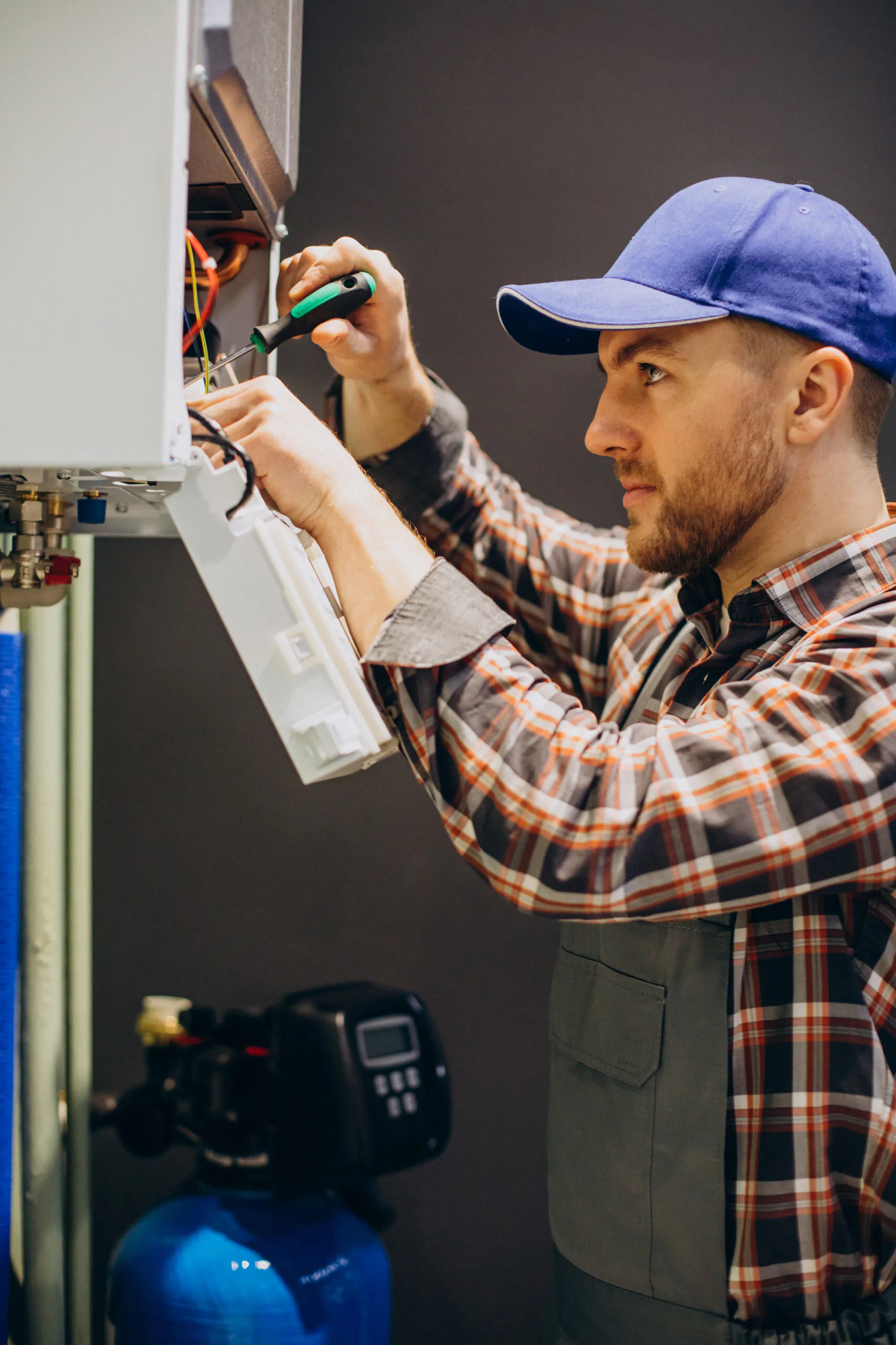
Installing a new furnace is one of the most important upgrades you can make for your home’s comfort, safety, and energy efficiency especially in Texas, where weather swings can put serious strain on HVAC systems. While furnaces may look straightforward from the outside, the installation process itself is detailed, technical, and must be done correctly to ensure long-term performance.
In this guide, KAC Express walks you through how furnace installation is done, from the initial assessment to final testing, while explaining why professional installation matters and what homeowners should expect during the process.
Why Proper Furnace Installation Matters
A furnace is only as good as its installation. Even a high-efficiency unit can underperform if it’s improperly sized, poorly connected, or incorrectly vented. Faulty installation can lead to:
Uneven heating
Higher energy bills
Frequent repairs
Shortened equipment lifespan
Safety risks such as gas leaks or carbon monoxide exposure
That’s why furnace installation should always be handled by trained HVAC professionals who understand local building codes, airflow requirements, and Texas climate conditions. If you’re comparing heating options, our guide on understanding home heating systems is a great place to start.
Step 1: Pre-Installation Assessment and Planning
Every furnace installation begins with a detailed evaluation of your home. This step ensures the new system is the right fit not just physically, but functionally.
Home Evaluation and Load Calculation
Your HVAC technician will assess:
Square footage of the home
Insulation quality
Ceiling height
Window placement
Existing ductwork condition
This allows the technician to perform a proper load calculation, ensuring the furnace isn’t oversized or undersized both common causes of inefficiency and comfort issues.
Choosing the Right Furnace
Based on the assessment, your installer will recommend:
Furnace type (gas, electric, or dual-fuel)
AFUE efficiency rating
Furnace configuration (up-flow, downflow, or horizontal)
If you’re still deciding on equipment, our guide to choosing a new HVAC system in Texas provides helpful insights.
Step 2: Removing the Old Furnace
Before installing the new furnace, the existing unit must be safely disconnected and removed.
This includes:
Turning off gas and electrical supply
Disconnecting ductwork
Removing venting and exhaust connections
Safely disposing of the old furnace according to local regulations
Older systems often reveal hidden issues at this stage, such as deteriorating ductwork or airflow problems.
Step 3: Preparing the Installation Area
Once the old furnace is removed, the installation space must be properly prepared.
Ductwork Inspection and Modifications
Technicians check:
Airflow capacity
Seal integrity
Proper return and supply balance
Leaky or undersized ducts can reduce efficiency and comfort, even with a brand-new furnace.
Utility Connections
Depending on furnace type:
Gas furnaces require verified gas line capacity and secure fittings
Electric furnaces need proper voltage, wiring, and breakers
Condensate drains must be installed for high-efficiency units
Proper preparation ensures smooth installation and long-term reliability.
Step 4: Installing the New Furnace
This is the core of the furnace installation process.
Positioning the Furnace
The new furnace is placed in the designated location garage, attic, closet, or utility room and leveled to ensure proper airflow and drainage.
Connecting Ductwork
Supply and return ducts are connected and sealed to prevent air leaks, ensuring even heat distribution throughout the home.
Gas or Electrical Connections
Gas lines are connected using approved fittings and tested for leaks
Electrical connections are secured and grounded properly
Venting and Exhaust Installation
Proper venting is critical for safety. Exhaust gases must be directed outside the home through approved flue systems. Incorrect venting can lead to carbon monoxide risks.
Step 5: Thermostat Setup and System Configuration
Once the furnace is installed, the system must be configured for optimal performance.
Thermostat Installation
If you’re upgrading your thermostat, this is the ideal time. Smart thermostats can significantly improve comfort and efficiency. Learn more in how smart thermostats improve comfort and efficiency in Texas.
System Calibration
Technicians adjust:
Airflow settings
Burner operation
Fan speeds
Temperature accuracy
These settings ensure the furnace heats evenly and efficiently without overworking the system.
Step 6: Testing and Safety Checks
Before the job is complete, the furnace undergoes thorough testing.
Operational Testing
The technician runs the system to confirm:
Proper ignition
Stable flame
Correct airflow
Quiet operation
Safety Verification
Gas leak detection
Carbon monoxide checks
Electrical safety inspections
Venting performance confirmation
This step ensures the furnace is safe, code-compliant, and ready for daily use.
Step 7: Cleanup, Walkthrough, and Final Inspection
After installation:
The work area is cleaned
Debris and old parts are removed
A final inspection is performed
The technician then walks you through:
Thermostat operation
Filter replacement schedules
Basic maintenance tips
For long-term performance, regular maintenance is essential. Our winter furnace tune-up guide explains what homeowners should expect.
Professional Installation vs DIY: Why Expertise Matters
While DIY projects may seem appealing, furnace installation is not one of them.
Proper Sizing Is Critical
Incorrect sizing leads to short cycling, uneven heating, and higher utility bills.
Safety Risks Are Real
Gas lines, electrical wiring, and combustion venting must meet strict safety standards. Mistakes can result in serious hazards.
Efficiency Depends on Precision
Even small installation errors can reduce system efficiency and negate the benefits of a high-efficiency furnace.
Professional installation protects your investment, your warranty, and your family’s safety.
How Long Does Furnace Installation Take?
Most furnace installations are completed within one full day, though complex jobs involving duct modifications or electrical upgrades may take longer. Planning ahead especially before seasonal cold fronts helps avoid delays. Our seasonal HVAC checklist can help you stay prepared.
Maintaining Your Furnace After Installation
Installation is just the beginning. Ongoing maintenance ensures efficiency and longevity.
Recommended maintenance includes:
Replacing air filters regularly (see choosing the right air filter)
Annual professional inspections
Keeping vents and returns clear
Monitoring unusual sounds or odors
Ignoring maintenance can lead to issues like leaks or strange noises.
Why Choose KAC Express for Furnace Installation in Texas?
At KAC Express, we understand the unique demands Texas weather places on heating systems. Our experienced technicians focus on:
Accurate system sizing
Code-compliant installations
Energy-efficient solutions
Clear communication and homeowner education
We don’t just install furnaces we help homeowners make informed decisions that improve comfort, efficiency, and peace of mind. Learn more about our commitment in why KAC Express is your trusted HVAC partner in Spring, TX.
Schedule Your Furnace Installation with KAC Express
If your furnace is aging, inefficient, or no longer keeping your home comfortable, now is the time to upgrade. A professionally installed furnace ensures reliable heating when you need it most.
Contact KAC Express today to schedule a consultation and experience expert furnace installation done right every step of the way.
FAQs
1. How long does a furnace installation take?
Most furnace installations are completed within one full day. However, the timeline can vary if ductwork modifications, electrical upgrades, or venting changes are required. Your HVAC technician will provide a clear timeframe after evaluating your home.
2. How do I know if I need a new furnace or just a repair?
If your furnace is over 15 years old, requires frequent repairs, produces uneven heating, or causes rising energy bills, replacement may be more cost-effective than repair. A professional inspection can help determine the best option for your home.
3. What size furnace do I need for my home?
Furnace size depends on factors like home square footage, insulation, layout, and climate. HVAC professionals perform a load calculation to ensure proper sizing, which is critical for comfort, efficiency, and system longevity.
4. Is professional furnace installation really necessary?
Yes. Furnace installation involves gas lines, electrical wiring, airflow configuration, and venting systems. Improper installation can lead to safety risks, reduced efficiency, and voided warranties. Professional installation ensures the system is safe, code-compliant, and optimized for performance.
5. How can I keep my new furnace running efficiently after installation?
Regular maintenance is key. This includes changing air filters, scheduling annual tune-ups, keeping vents clear, and monitoring for unusual noises or odors. Routine maintenance helps extend system life and maintain energy efficiency.
0 Comments