

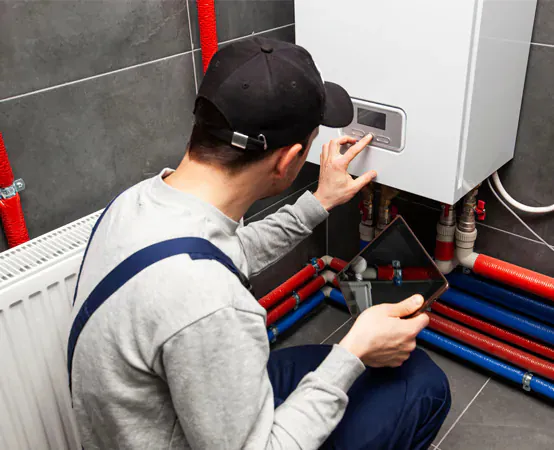
When temperatures drop in Texas, a reliable heating system becomes essential for comfort, safety, and peace of mind. Unfortunately, heating systems don’t always fail at convenient times. Strange noises, uneven temperatures, rising energy bills, or a heater that won’t turn on are all signs that something isn’t right. Understanding the heating system repair process can help you act quickly, avoid costly breakdowns, and make informed decisions for your home.
At KAC Express, we believe informed homeowners make better choices. Below, we walk you through each stage of the professional heating repair process, from inspection to final safety checks, so you know exactly what to expect when your system needs attention.
Step 1: Preparing for a Safe Heating System Inspection
Every successful heating repair begins with a thorough and safe inspection. Preparation ensures technicians can accurately diagnose problems while keeping your home protected.
Before your appointment, clear the area around your furnace, heat pump, or boiler. Remove storage boxes, furniture, or debris that could block access. This allows technicians to safely inspect components such as burners, heat exchangers, gas lines, and electrical connections.
It’s also helpful to gather any relevant information about your system, including:
System age and model
Recent repair history
Changes in heating performance
Recent spikes in utility bills
If you’ve noticed unusual symptoms like short cycling, weak airflow, or strange smells make a list. These details provide valuable clues and speed up the diagnostic process. Keeping your thermostat accessible and your home at a normal temperature helps technicians accurately test system performance.
Regular seasonal inspections, like those outlined in this seasonal HVAC checklist for Houston’s extreme weather, can reduce the likelihood of emergency repairs and extend your system’s lifespan.
Step 2: Identifying Common Heating System Problems
Once the inspection begins, technicians focus on identifying the root cause of your heating issue not just the symptoms. Heating systems are complex, and small problems can often signal larger underlying concerns.
Some of the most common heating system issues include:
Uneven heating: Often caused by duct leaks, clogged filters, or thermostat calibration issues
Unusual noises: Banging, rattling, or grinding may indicate loose components or motor problems
Frequent cycling: Can point to airflow restrictions or electrical malfunctions
Pilot or ignition issues: Especially common in older gas furnaces
Rising energy bills: Reduced efficiency caused by worn or failing components
In Texas homes, ductwork problems are a frequent contributor to heating inefficiency. Leaks or blockages force your system to work harder, increasing wear and energy costs. If airflow issues are suspected, duct inspection becomes a critical part of the repair process, similar to what’s discussed in this guide on signs your AC ductwork needs repair or replacement.
Accurate diagnosis ensures the right repair solution saving time, money, and future frustration.
Step 3: Performing Essential Repairs or Replacements
After identifying the problem, the next step is determining whether repair or replacement is the best option. This decision depends on several factors, including system age, repair cost, efficiency, and long-term reliability.
When Repairs Make Sense
Minor issues can often be resolved quickly and affordably, such as:
Faulty thermostats
Loose electrical connections
Worn belts or sensors
Clogged burners or dirty components
These repairs restore functionality without significant disruption and are usually the most cost-effective choice.
When Replacement Is the Better Option
In some cases, replacement offers better long-term value, especially if:
The system is over 12–15 years old
Repair costs exceed 50% of replacement cost
Repairs are becoming frequent
Efficiency has significantly declined
Modern heating systems are far more energy-efficient and reliable than older models. If replacement is recommended, homeowners can benefit from reviewing this guide to choosing a new HVAC system in Texas to understand efficiency ratings, system types, and long-term savings.
At KAC Express, we always explain your options clearly so you can make a confident, informed decision.
Step 4: Testing Heating System Performance
Once repairs or replacements are complete, performance testing ensures your system operates safely and efficiently. This step confirms that the problem has been fully resolved and that no additional issues remain.
Technicians will run a full heating cycle to observe:
Startup and shutdown behavior
Thermostat communication
Airflow strength and consistency
Temperature balance across rooms
They may use digital thermometers to confirm even heat distribution and check system pressure, electrical readings, and combustion efficiency where applicable. Any unusual noises, delays, or temperature fluctuations are addressed immediately.
Smart technology plays a growing role in system performance monitoring. Many homeowners upgrade during repairs to improve control and efficiency, as explained in this article on how smart thermostats improve comfort and efficiency in Texas homes.
Thorough testing ensures your system won’t fail again when you need it most.
Step 5: Verifying Safety and Restoring Normal Operation
The final stage of the heating repair process focuses on safety and long-term reliability. Heating systems involve gas, electricity, and combustion making safety checks absolutely essential.
During this step, technicians verify:
Secure electrical and gas connections
Proper venting and exhaust flow
Safe burner operation
Correct thermostat programming
Carbon monoxide safety is a top priority. Technicians ensure there are no leaks and recommend functional carbon monoxide detectors near sleeping areas and mechanical rooms. They also confirm that the area around your heating unit is clear of flammable materials.
After safety verification, your system is returned to normal operation, and you’ll receive guidance on maintenance, filter changes, and warning signs to watch for. Scheduling regular tune-ups like those covered in a winter furnace tune-up guide helps prevent future breakdowns and keeps your system running efficiently all season long.
Why Professional Heating Repairs Matter
Attempting DIY heating repairs can be dangerous and often leads to incomplete fixes or additional damage. Professional technicians have the tools, training, and experience to diagnose problems accurately and repair them safely.
More importantly, professional repairs:
Improve energy efficiency
Reduce long-term costs
Extend system lifespan
Protect your home and family
When heating problems are ignored, small issues can escalate into expensive emergencies especially during peak winter demand.
Trust KAC Express for Reliable Heating System Repairs in Texas
Heating system issues can disrupt your comfort, raise energy bills, and create safety concerns especially when temperatures drop unexpectedly. From inspections and diagnostics to repairs, testing, and safety verification, the heating repair process requires expertise and attention to detail.
At KAC Express, our experienced technicians are committed to keeping Texas homes warm, safe, and energy-efficient. Whether you’re dealing with inconsistent heating, unusual noises, or a complete system breakdown, we deliver dependable solutions tailored to your home’s needs.
Don’t wait for a small problem to become a major repair. Contact KAC Express today and restore comfort and confidence in your heating system all winter long.
FAQs
1. How do I know if my heating system needs repair?
Common signs include uneven heating, unusual noises (banging or grinding), frequent cycling on and off, weak airflow, strange odors, or a sudden increase in energy bills. If your system struggles to maintain consistent temperatures, it’s time to schedule a professional inspection.
2. How long does a typical heating system repair take?
Most minor heating repairs can be completed within a few hours. More complex issues, such as replacing major components or addressing ductwork problems, may take longer. After inspection, a professional technician will provide a clear timeline.
3. Is it better to repair or replace an old heating system?
If your heating system is over 12–15 years old and repair costs are high or frequent, replacement may be more cost-effective. Newer systems offer improved energy efficiency, lower utility bills, and fewer breakdowns compared to aging equipment.
4. Can heating system problems affect indoor air quality?
Yes. Faulty heating systems, dirty filters, or leaking ductwork can circulate dust, allergens, and pollutants throughout your home. Professional repairs and regular maintenance help improve airflow and maintain healthier indoor air quality.
5. How can I prevent future heating system breakdowns?
Scheduling annual professional maintenance, changing air filters regularly, keeping vents clear, and addressing small issues early can significantly reduce the risk of unexpected heating system failures and extend your system’s lifespan.
0 Comments