

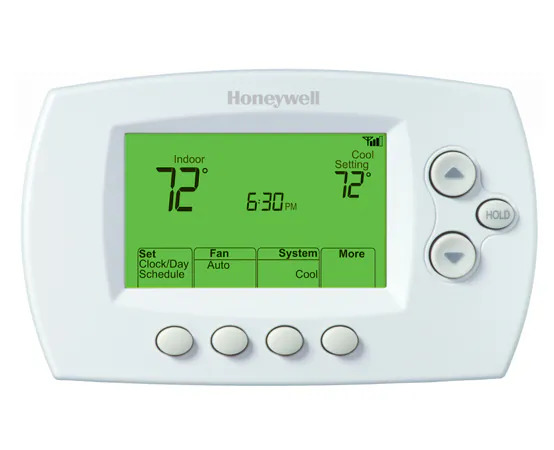
Keeping your home comfortable while keeping energy bills under control starts with one simple device—the thermostat. Whether you’re upgrading an outdated model or installing a thermostat for the first time, the choice you make can significantly affect your HVAC system’s performance, your comfort levels, and your monthly utility spend. At KAC Express, we help homeowners find the perfect thermostat that fits both their home and their lifestyle.
In this guide, you will discover the different types of thermostats, how to choose the right one, and why upgrading could be one of the smartest home improvements you make this year.
Why Your Thermostat Choice Matters
Your thermostat works as the “brain” of your HVAC system. It communicates with your heating and cooling units to regulate temperature throughout the day. A high-quality thermostat can:
Improve energy efficiency
Enhance indoor comfort
Reduce unnecessary HVAC strain
Lower monthly energy bills
Provide better control over your home environment
Choosing the right model ensures your HVAC system runs at its best—and that you stay comfortable year-round.
Types of Thermostats to Consider
Not all thermostats are built the same. Understanding each type helps you make an informed decision.
1. Manual Thermostats
Manual thermostats are the simplest and most affordable option. They allow you to adjust the temperature using a dial or a basic digital screen.
Pros:
Low cost
Simple operation
Cons:
No automatic scheduling
Limited energy savings
Requires frequent manual adjustments
Manual thermostats work well for homeowners who prefer straightforward controls or have consistent indoor schedules.
2. Programmable Thermostats
Programmable thermostats offer more flexibility by allowing you to pre-set temperature schedules for various times of the day.
Pros:
Great for cutting energy expenses
Ideal for families with routine work/sleep schedules
Reduces HVAC runtime during away hours
Cons:
Slight learning curve
May not suit unpredictable schedules
These models are a smart step toward better energy management without the investment of a fully smart system.
3. Smart Thermostats
Smart thermostats are rapidly becoming the standard for modern homes. With built-in Wi-Fi, mobile app connectivity, and advanced features, they provide the highest level of convenience and efficiency.
Key features may include:
Remote control through a smartphone
Learning capabilities (they adapt to your habits)
Energy usage reports
Voice assistant compatibility
Geofencing (adjusts temperature based on your location)
Pros:
Maximum energy savings
Exceptional comfort control
Easy integration with smart home devices
Cons:
Higher upfront cost
Some may require professional installation
For homeowners looking for convenience, efficiency, and long-term savings, a smart thermostat is usually the best investment.
How to Choose the Best Thermostat for Your Home?
Before you buy, consider the following key factors to ensure compatibility and satisfaction:
1. HVAC System Compatibility
Not every thermostat works with every heating or cooling setup. Some HVAC systems—like heat pumps, multistage systems, or older furnace units—require specific thermostat wiring. The experts at KAC Express can help you verify compatibility before you buy.
2. Your Daily Routine
Do you maintain a routine schedule? A programmable thermostat might be enough.
Do your hours change frequently? A smart thermostat with learning capabilities may serve you better.
3. Wi-Fi & Smart Home Integration
If you already use smart devices like Google Home, Alexa, or smart sensors, a fully compatible smart thermostat can enhance your automation.
4. Features You Need vs. Features You Don’t
Consider what matters most:
Remote access?
Energy reports?
Touchscreen display?
Learning mode?
Voice control?
Choose a model that suits your lifestyle—not just one with extra bells and whistles.
5. Budget
Thermostat costs range from $25 to several hundred dollars. While smart thermostats cost more upfront, they typically pay for themselves through energy savings within 1–2 years.
Benefits of Upgrading Your Thermostat
A new thermostat can bring immediate improvements to your home comfort and efficiency.
Energy Savings
Programmable and smart thermostats help you avoid unnecessary heating or cooling while you’re asleep or away. Many homeowners report savings of 10–20% on monthly bills after upgrading.
Enhanced Comfort
Enjoy consistent indoor temperatures without constant manual adjustments. Smart thermostats even learn your preferences over time.
Remote Access
Forgot to turn down the AC before leaving? No problem. Smart thermostats allow full control through your phone.
Extended HVAC Lifespan
By reducing unnecessary runtime, your heating and cooling system experiences less wear and tear—saving you money in long-term repairs.
Installation Tips for Your New Thermostat
While some thermostats can be installed DIY-style, homeowners often prefer professional installation to ensure proper setup and wiring.
Basic installation steps include:
Switch off power to your HVAC system.
Remove the old thermostat and label each wire.
Mount the new thermostat’s baseplate.
Connect the wires to the correct terminals.
Power on and configure system settings.
If unsure, trust the professionals at KAC Express for safe and accurate thermostat installation.
Other Services You Can Explore at KAC Express
To improve internal linking on your website, consider linking this section to additional service pages such as:
Final Thoughts
Choosing the best thermostat for your home is an easy step with a big payoff. Whether you opt for a simple manual unit, a flexible programmable model, or a feature-rich smart thermostat, upgrading can significantly improve your comfort and reduce energy costs.
If you’re unsure where to begin or want expert recommendations, KAC Express is here to help. Our trained technicians can guide you through thermostat selection, installation, and integration with your HVAC system—ensuring optimal performance and comfort for your home.
Ready to upgrade your thermostat? Contact KAC Express today for professional consultation and installation services.
FAQs
1. What type of thermostat is best for energy savings?
Smart thermostats usually offer the most energy savings because they learn your schedule and adjust temperatures automatically.
2. Can I install a new thermostat myself?
Yes, many thermostats are DIY-friendly, but professional installation is recommended to ensure proper wiring and compatibility.
3. Do smart thermostats work with all HVAC systems?
Not always. Some older or specialized systems require specific thermostat models. It’s best to confirm compatibility before purchasing.
4. How often should I replace my thermostat?
Most thermostats last 10–15 years, but upgrading sooner can improve energy efficiency and comfort.
5. Will a new thermostat really lower my energy bills?
Yes. Programmable and smart thermostats can reduce energy usage by automatically adjusting temperatures when you’re away or asleep.
0 Comments