

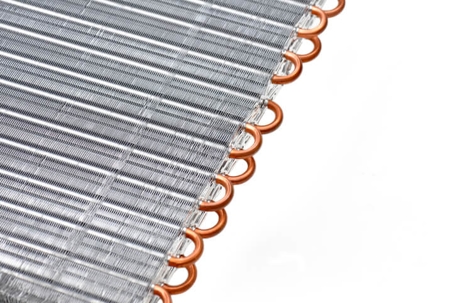
When your air conditioner is running on a hot Texas afternoon, it may feel like magic but behind the scenes, it’s all science. One of the most important parts of that science is your air conditioner’s coil. While it’s rarely seen and often overlooked, the coil plays a critical role in how efficiently your system cools your home, controls humidity, and manages energy use.
At KAC Express, we believe informed homeowners make better decisions about comfort and maintenance. Whether you’re dealing with inconsistent cooling, rising energy bills, or planning future upgrades, understanding what your AC coil does and how to care for it can save you time, money, and stress.
Understanding the Role of Air Conditioner Coils
At its core, your air conditioner works by moving heat not creating cold air. The AC coils are where that heat transfer happens.
Inside the system, refrigerant circulates through a closed loop. As it moves through the coils, it changes pressure and temperature, allowing it to absorb heat from inside your home and release it outdoors. Without coils, this heat exchange simply wouldn’t be possible.
Think of AC coils as the “lungs” of your cooling system. They inhale heat from indoor air and exhale it outside, keeping your home comfortable even during intense Texas summers.
The Two Main Types of AC Coils
Most residential air conditioning systems rely on two different coils working together. Each one has a distinct job in the cooling process.
Evaporator Coil: Cooling Your Indoor Air
The evaporator coil is located inside your home, usually near the air handler or furnace. Warm indoor air passes over this coil, and the refrigerant inside absorbs the heat. As it does, the refrigerant changes from a liquid to a gas.
This process not only cools the air but also removes excess humidity, which is especially important in Texas homes. When the evaporator coil isn’t working properly, you may notice weak airflow, uneven temperatures, or higher indoor humidity.
Condenser Coil: Releasing Heat Outdoors
The condenser coil sits in the outdoor unit. After the refrigerant absorbs heat indoors, it travels outside to this coil. There, the heat is released into the outdoor air, and the refrigerant condenses back into a liquid to repeat the cycle.
A dirty or damaged condenser coil forces your system to work harder, increasing wear and tear and driving up energy costs.
What Are AC Coils Made Of?
AC coils are designed for maximum heat transfer and durability. Most are made from:
Copper tubing, known for excellent heat conductivity and ease of repair
Aluminum fins, which increase surface area and improve efficiency
Some modern systems use all-aluminum coils, which are lighter and more resistant to certain types of corrosion. The materials and design directly impact how efficiently your system operates and how long it lasts.
Why Clean Coils Matter More Than You Think
Even a thin layer of dirt can significantly reduce a coil’s ability to transfer heat. Over time, dust, pollen, pet hair, and grime build up on the coil surface, creating insulation that traps heat.
Dirty coils can lead to:
Longer cooling cycles
Higher energy bills
Increased system strain
Reduced indoor comfort
This is why AC maintenance in Spring TX homes is so important. Regular professional tune-ups include coil inspections and cleaning, helping your system run efficiently during peak cooling season. You can learn more about the importance of ongoing care in our guide on why regular AC maintenance is essential for Spring TX homes.
Signs Your AC Coil May Be Having Problems
Coil issues often develop quietly, but there are warning signs homeowners shouldn’t ignore.
Reduced Cooling Performance
If your AC runs constantly but your home never feels cool enough, dirty or damaged coils may be limiting heat transfer.
Ice on the Indoor Unit
Ice forming on the evaporator coil usually points to airflow problems, refrigerant issues, or extreme dirt buildup.
Higher Energy Bills
When coils can’t release or absorb heat efficiently, your system uses more energy to compensate.
Unusual Noises or Odors
Hissing sounds can indicate refrigerant leaks, while musty smells may signal moisture and dirt accumulation on the coil.
When these issues appear, professional AC repair Spring TX homeowners trust is the safest way to diagnose and fix the problem before it escalates. Delaying service often leads to more expensive repairs, as explained in the hidden costs of delaying AC repair.
Common Problems That Affect AC Coils
AC coils are durable, but they’re not immune to damage. Some of the most common issues include:
Corrosion
Over time, exposure to moisture, chemicals, and airborne contaminants can corrode coil surfaces. This may lead to tiny leaks that reduce refrigerant levels and cooling performance.
Refrigerant Leaks
Low refrigerant can cause poor cooling, frozen coils, and compressor damage. Coil leaks almost always require professional repair or replacement.
Physical Damage
Outdoor condenser coils can be bent or damaged by debris, storms, or lawn equipment. Even small fin damage can restrict airflow.
Texas weather plays a big role in these problems. Our article on how Texas weather impacts your HVAC system explains why coils face extra stress in this climate.
Can Homeowners Clean AC Coils Themselves?
Basic upkeep, like replacing air filters regularly and keeping the outdoor unit clear of debris, is homeowner-friendly. However, deep coil cleaning and repairs should always be handled by trained professionals.
AC coils are delicate, and improper cleaning can bend fins, damage tubing, or expose you to refrigerants. Professional technicians have the tools and expertise to clean coils safely and thoroughly without risking system damage.
When Coil Issues Mean It’s Time for AC Installation
In some cases, repeated coil problems may signal that your system is nearing the end of its lifespan. If your AC is older and experiencing frequent refrigerant leaks or severe corrosion, replacement may be more cost-effective than ongoing repairs.
A modern AC installation offers:
Improved energy efficiency
Better humidity control
Quieter operation
Fewer repair needs
If you’re considering an upgrade, our team can help you choose the right system for your home and cooling needs. You may also find it helpful to read about improving home cooling efficiency without replacing your system to explore all your options.
How Preventive Maintenance Protects Your Coils?
Preventive maintenance is the best defense against coil-related problems. During a professional service visit, technicians inspect coils for dirt, corrosion, and early signs of wear.
Regular tune-ups help:
Maintain proper airflow
Prevent refrigerant issues
Extend system lifespan
Keep energy costs under control
Seasonal maintenance is especially important before summer. Our seasonal HVAC checklist for Texas homeowners outlines what should be done to prepare your system for extreme temperatures.
Trust KAC Express for Coil Care and Complete HVAC Service
Your air conditioner’s coil may be hidden, but its impact on comfort, efficiency, and system reliability is enormous. From routine maintenance to complex repairs and full system replacements, KAC Express is here to help homeowners make smart, informed HVAC decisions.
Contact KAC Express today to schedule service and keep your cooling system running at its best no matter how hot Texas gets.
Frequently Asked Questions
Q. What is an air conditioner coil and why is it important?
A. An air conditioner coil is a key component that allows your AC system to transfer heat. The evaporator coil absorbs heat from inside your home, while the condenser coil releases that heat outdoors. If either coil isn’t working properly, your air conditioner cannot cool efficiently.
Q. How many coils does an air conditioner have?
A. Most central air conditioning systems have two coils: the evaporator coil located inside the home and the condenser coil located in the outdoor unit. Both coils must work together for proper cooling and humidity control.
Q. What happens if my AC coil is dirty?
A. A dirty AC coil reduces heat transfer, forcing your system to work harder to cool your home. This can lead to higher energy bills, poor cooling performance, frozen coils, and even system breakdowns if left unaddressed.
Q. How often should AC coils be cleaned?
A. AC coils should be inspected and cleaned at least once a year as part of professional AC maintenance. Homes in Texas often benefit from more frequent service due to dust, pollen, and long cooling seasons.
Q. Can a damaged AC coil be repaired?
A. In some cases, minor coil issues can be repaired. However, severe corrosion or refrigerant leaks often require coil replacement. A licensed technician can determine whether repair or replacement is the best option.
0 Comments