Call KAC Express
+1(832) 326-5687KAC Express
HVAC Maintenance Services in Kingwood, TX
Call KAC Express at (832) 326-5687 to schedule Kingwood HVAC maintenance or ask about our Energy Savings Agreement plans. Our Kingwood maintenance includes a canopy-adapted inspection that goes beyond standard 30-point checklists: condenser coil pine sap assessment, outdoor unit canopy debris evaluation, condensate drain algaecide treatment calibrated for Lake Houston humidity, evaporator coil mold inspection under canopy shade conditions, and seasonal debris risk briefing. We also provide AC repair in Kingwood TX when maintenance reveals urgent issues, AC installation in Kingwood TX for new systems, AC replacement in Kingwood TX for end-of-life systems, and HVAC maintenance in Spring TX for adjacent customers.
Why Kingwood Homeowners Choose KAC Express for HVAC Maintenance
Kingwood has established HVAC companies offering maintenance: The Original Kingwood AC (since 1982, claiming 75 percent of potential system failures prevented by regular maintenance, priority scheduling for maintenance customers, Lennox and Armstrong specialist), Champion and Nash (40+ years with scheduled maintenance programs), Kingwood AC Repair Pros (20+ years family-owned), HVAC247PRO (24/7 service), and Doctor Cool & Professor Heat (40+ years). Here is what sets KAC Express maintenance apart in Kingwood’s Livable Forest environment.
Canopy-Adapted Maintenance Protocol
Standard maintenance checklists were designed for open-lot suburban homes. Kingwood’s dense pine and hardwood canopy creates condenser fouling rates 3 to 5 times higher than open subdivisions, requiring maintenance approaches no generic checklist addresses. KAC’s Kingwood maintenance includes pine sap bond assessment on condenser fins, organic debris depth measurement in top grille cavities, canopy clearance verification, and chemical cleaning recommendation when standard rinsing cannot remove bonded organic material. The Original Kingwood AC has served Kingwood since 1982 and understands these challenges; KAC brings Trane-certified diagnostic depth to complement Kingwood canopy awareness.
Seasonal Debris Calendar Awareness
Kingwood’s tree canopy creates distinct debris seasons that affect outdoor condenser performance throughout the year. Spring oak pollen season (February through April) blankets condensers with fine yellow-green film. Pine needle drop peaks in late fall (October through December) but continues year-round at lower rates. Leaf fall from hardwoods (November through January) fills top grilles and blocks airflow. Summer thunderstorms (May through October) deposit broken twigs and bark fragments. KAC’s Kingwood maintenance scheduling accounts for these debris seasons, timing condenser assessments after peak debris periods rather than on arbitrary calendar dates.
Lake Houston Condensate Drain Protocol
Kingwood’s proximity to Lake Houston and the San Jacinto River creates ambient humidity that grows condensate drain line algae faster than any other community KAC serves. Standard algaecide treatment applied once per year is insufficient for Kingwood. KAC’s Kingwood drain protocol includes concentrated algaecide treatment during each maintenance visit, drain pan mold inspection, secondary drain line flow verification, and float switch testing. This protocol prevents the condensate backup that shuts down AC systems or causes ceiling water damage in 2-story Kingwood homes.
Energy Savings Agreement with Extended Labor Warranty
KAC’s Energy Savings Agreement (ESA) includes twice-yearly professional maintenance (spring AC plus fall heating), extended labor warranty (5 or 10 years versus standard 1 year), priority scheduling during peak demand, and percentage discounts on repairs. For Kingwood homes under heavy canopy where component replacement frequency runs 15 to 25 percent higher than open-lot homes, the extended labor warranty provides measurable financial protection that single-visit tune-ups cannot match.
Post-Harvey System Mid-Life Monitoring
Systems installed during the 2017-2018 post-Harvey contractor surge are entering their critical 8 to 9 year mid-life window. Properly installed systems need standard maintenance at this stage. Rushed post-Harvey installations with sizing or matching defects begin showing accelerating failures: mismatched components running at reduced efficiency, incorrect original refrigerant charges drifting further from specification, and ductwork connections loosening over time. KAC’s Kingwood maintenance for post-Harvey systems includes AHRI matching verification and original charge assessment that standard tune-ups skip.
The Only Trane Comfort Specialist Maintaining Kingwood Systems
The Original Kingwood AC is Lennox and Armstrong certified. No other Kingwood HVAC company claims Trane manufacturer certification. KAC’s Trane factory training covers diagnostic procedures, component specifications, and maintenance intervals specific to Trane equipment, which is widely installed in Kingwood’s 1990s and 2000s village builds. We also maintain every major brand installed across Kingwood homes.

When to Schedule Maintenance Versus Call for Repair in Kingwood
Kingwood’s canopy environment creates maintenance scenarios that do not exist in open subdivisions. Some issues that would be emergency calls in standard neighborhoods are actually canopy-related maintenance items in the Livable Forest. Here is how to distinguish them.
The 5,000 Dollar Rule
A common HVAC industry decision framework is the 5000 rule. Multiply your AC system’s age by the repair cost. If the result exceeds 5000, replacement is typically the smarter long term decision. If below 5000, repair is usually the right choice.

Kingwood-Specific Maintenance vs Repair Threshold
Clear Signs Your Kingwood HVAC System Needs Maintenance
These Kingwood-specific indicators mean your Livable Forest HVAC system is overdue for professional maintenance. Catching these at a scheduled tune-up costs a fraction of the emergency repair they cause when ignored.
Pine Sap Film Visible on Condenser Cabinet
A sticky amber film on the outdoor unit’s cabinet, fan shroud, or exposed coil fins indicates pine sap accumulation. Pine sap bonds debris to aluminum surfaces and creates an organic acid that corrodes coil coatings over time. Water rinsing alone cannot remove bonded sap. Professional chemical cleaning dissolves the sap bond without damaging the coil. If you see sap film, schedule maintenance before the bonded debris restricts airflow enough to stress the compressor.
More Dust Than Usual Despite Regular Filter Changes
Kingwood’s tree canopy generates organic particulate (pollen, decomposed leaf matter, bark fragments) that standard residential filters capture less efficiently than typical suburban dust. If you notice increased dust despite changing filters on schedule, your filter MERV rating may need upgrading, or ductwork joints under attic insulation may have loosened allowing unfiltered attic air infiltration. Maintenance inspection identifies the source.
It Has Been 6+ Months Since Last Condenser Inspection Under Heavy Canopy
In open subdivisions, annual condenser inspection is adequate. Under heavy Kingwood pine canopy, 6 months of pine needle accumulation, pollen deposition, and organic debris can reduce condenser airflow enough to increase head pressure and stress the compressor. Kingwood homes under dense canopy benefit from condenser inspection every 6 months rather than the standard 12-month interval.
System Runs Longer Than Last Year to Reach Setpoint
If your Kingwood home used to cool down in 15 minutes but now takes 30 to 40 minutes, the most common Livable Forest cause is gradual condenser coil fouling from canopy debris reducing heat transfer efficiency. A tune-up with condenser coil assessment identifies whether standard rinsing or chemical cleaning is needed. Left untreated, the compressor works harder, draws more amps, and burns through capacitors faster.
Musty Smell Gets Stronger With Each Season
In open neighborhoods, evaporator coil mold stays manageable with annual cleaning. In Kingwood, the dense canopy blocks UV sunlight that naturally inhibits mold growth on exterior surfaces, creating a micro-environment where mold colonizes evaporator coils faster and more aggressively. If the musty smell at startup is getting stronger each year, annual cleaning is insufficient and twice-yearly evaporator inspection (spring plus fall) is needed.
Your Post-Harvey System Is Approaching Its 9th or 10th Year
The 2017-2018 post-Harvey installation wave is entering the critical mid-life window where maintenance becomes essential for preventing premature end-of-life. If your post-Harvey system has never had professional maintenance or has been maintained on a standard schedule without AHRI matching verification, now is the time for a comprehensive mid-life assessment that goes beyond standard tune-up procedures.
Neighborhood HVAC Maintenance Coverage


Service Areas
Enter zip code to learn if we service your area
Our team is dedicated to delivering reliable and high-quality solutions to every area we cover. Explore the sections below to check if we serve your location and learn more about our services.
KAC Express
HVAC Maintenance Process in Kingwood
A KAC Express Kingwood maintenance visit follows a canopy-adapted 5-step process designed for the Livable Forest’s unique demands.

Step 1: Seasonal Context and Homeowner Debrief
Our technician arrives knowing which Kingwood debris season just ended (oak pollen in spring, pine needle peak in fall, leaf fall in winter, storm debris in summer) and directs the inspection toward season-specific impacts. We ask about changes since the last visit: new musty smells, efficiency shifts, humidity changes, unusual noises, or storm events. For post-Harvey systems, we ask specifically about comfort consistency and electricity bill trends.

Step 2: Canopy-Specific Outdoor Unit Inspection
Beyond standard condenser inspection, our Kingwood protocol includes: pine sap bond assessment on coil fins (determines whether chemical cleaning is needed), organic debris depth measurement in top grille cavities (determines whether debris guard retrofit is recommended), canopy clearance measurement (minimum 5 feet overhead, 2 feet sides), vegetation encroachment check, condenser pad level verification (canopy roots can shift pads over time), and cabinet corrosion assessment (canopy shade prevents drying, accelerating rust). This step takes 25 to 35 minutes versus 15 to 20 minutes in open subdivisions.

Step 3: Indoor Unit Inspection with Mold Focus
Kingwood’s canopy-trapped humidity makes evaporator coil mold inspection critical at every maintenance visit. Our technician inspects accessible evaporator coil surfaces for mold colonies, measures condensate drain pan for standing water or biofilm, flushes the condensate drain line with concentrated algaecide (stronger treatment than standard formulations, calibrated for Lake Houston humidity levels), tests the float switch, and verifies the secondary drain line routes properly. Blower motor amp draw, thermostat calibration, and static pressure are measured against manufacturer specifications.
Step 4: Refrigerant and Performance Verification
Refrigerant pressure measurement at both suction and discharge sides, compared against manufacturer specifications for your specific system at current ambient conditions. For Kingwood, we additionally monitor indoor relative humidity during system operation (not just temperature split) because the canopy environment makes dehumidification performance a critical maintenance metric that standard tune-ups ignore. For post-Harvey systems, we verify AHRI matching between outdoor and indoor components.
Step 5: Written Report with Kingwood-Specific Recommendations
You receive a written maintenance report documenting all inspection points plus Kingwood-specific findings: canopy fouling severity rating (light, moderate, heavy), recommended condenser cleaning frequency for your canopy density, mold risk assessment for your evaporator coil, drain line protocol compliance status, and any seasonal debris recommendations. Findings are categorized as: immediate attention, address within 30 days, monitor at next visit, or no action needed. For post-Harvey systems, AHRI matching status and mid-life performance assessment are included.
HVAC Maintenance Schedule for Kingwood Livable Forest Homes
Kingwood’s canopy environment requires a different maintenance schedule than open Houston suburbs. Here is the recommended frequency based on your canopy density and system situation.
Trusted HVAC Brands We Work With
We proudly service and work with some of the most trusted HVAC brands in the industry. Our certified technicians are experienced with a wide range of heating and cooling systems, providing reliable HVAC solutions including installation, repair, maintenance, and replacement services.


HVAC Maintenance Cost in Kingwood
Kingwood maintenance costs reflect the Livable Forest’s higher service demands. Standard pricing applies for routine maintenance, with Kingwood-specific add-ons available for canopy and flood-zone properties.
The Original Kingwood AC claims 75 percent of potential failures are prevented by regular maintenance. KAC agrees with this principle and extends it for Kingwood: under heavy canopy, the standard twice-yearly schedule prevents approximately 60 to 65 percent of failures, while adding the mid-summer canopy condenser check raises prevention to approximately 80 percent. The additional 75 to 125 dollars for the third visit often prevents a 200 to 400 dollar capacitor failure caused by mid-summer condenser fouling.
What to Expect
HVAC Maintenance Kingwood TX Frequently Asked Questions
What to Expect
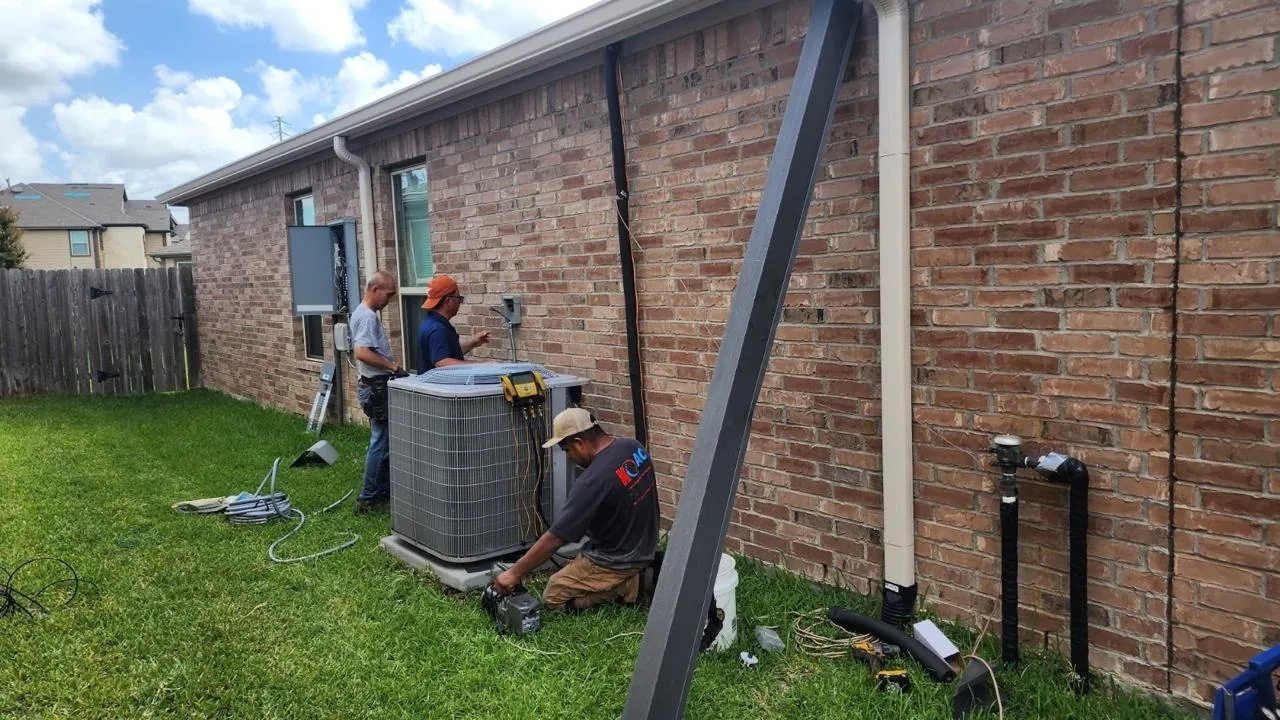
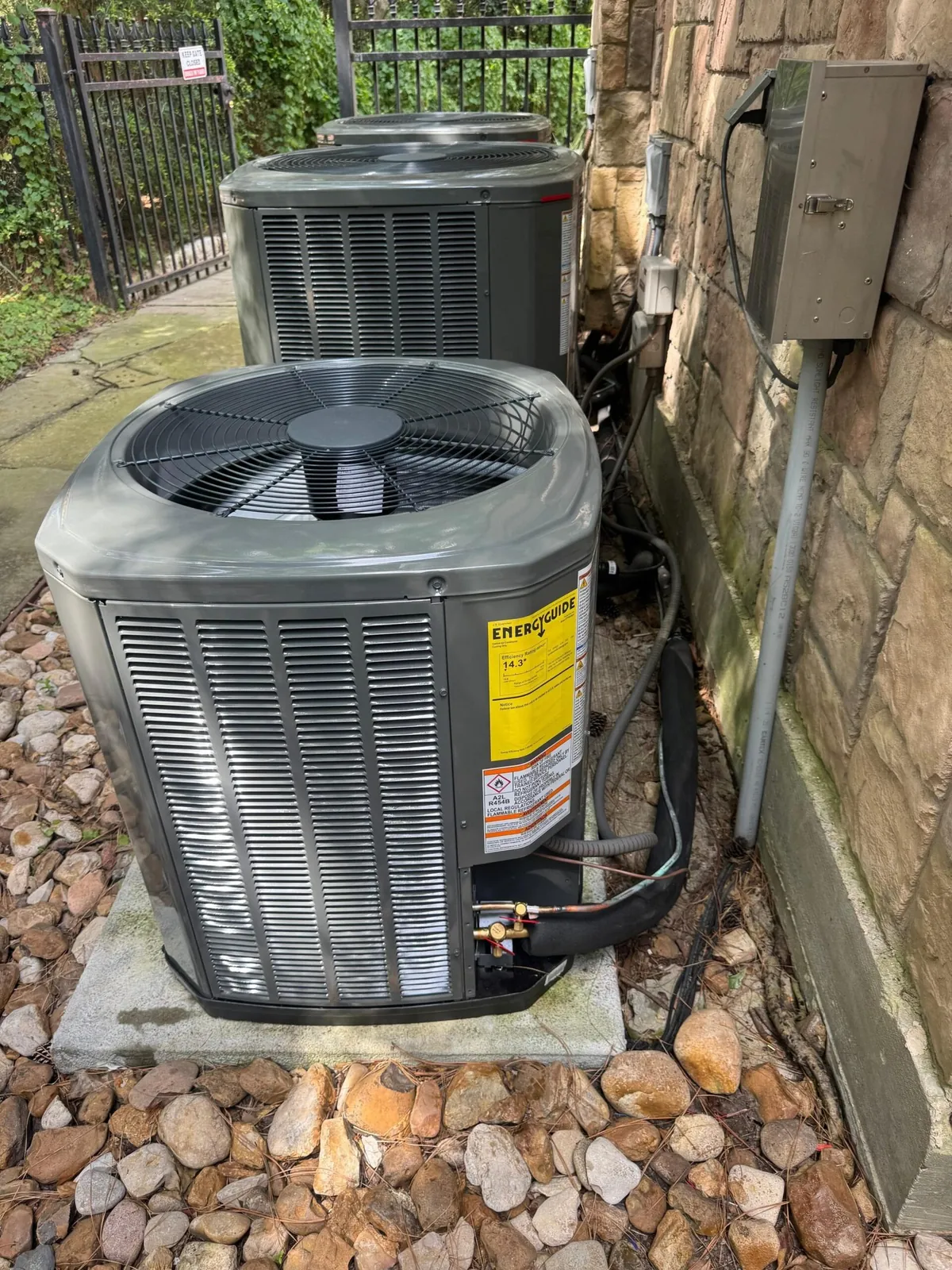
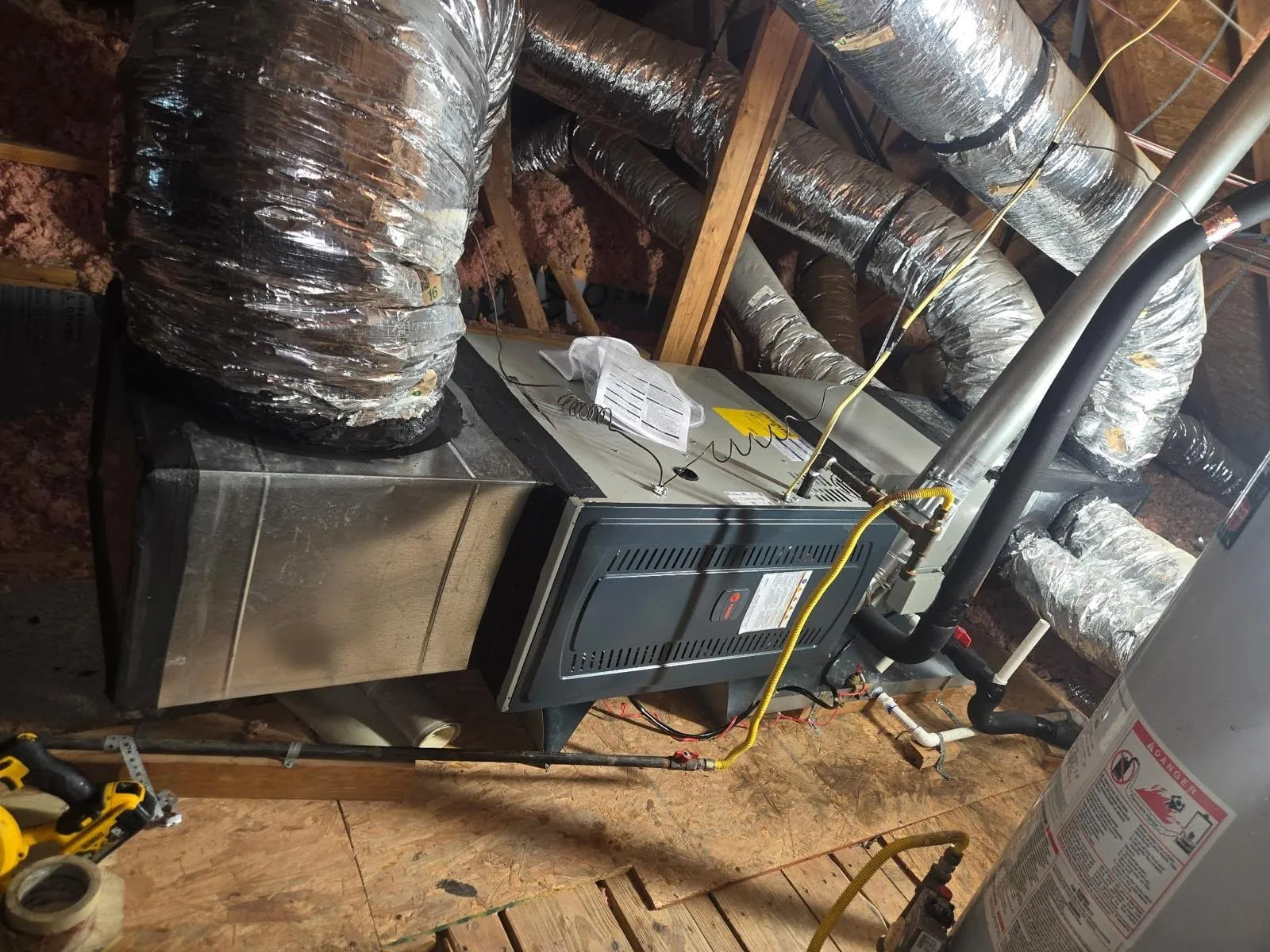
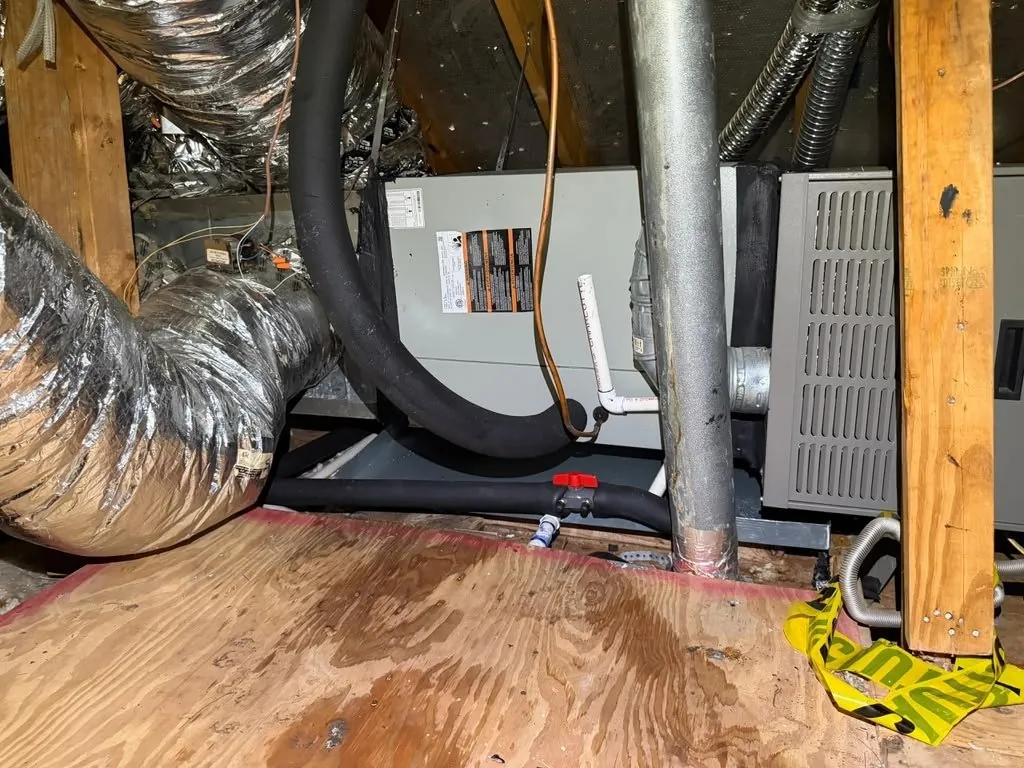
Explore Our Recent Work in The Kingwood, TX